
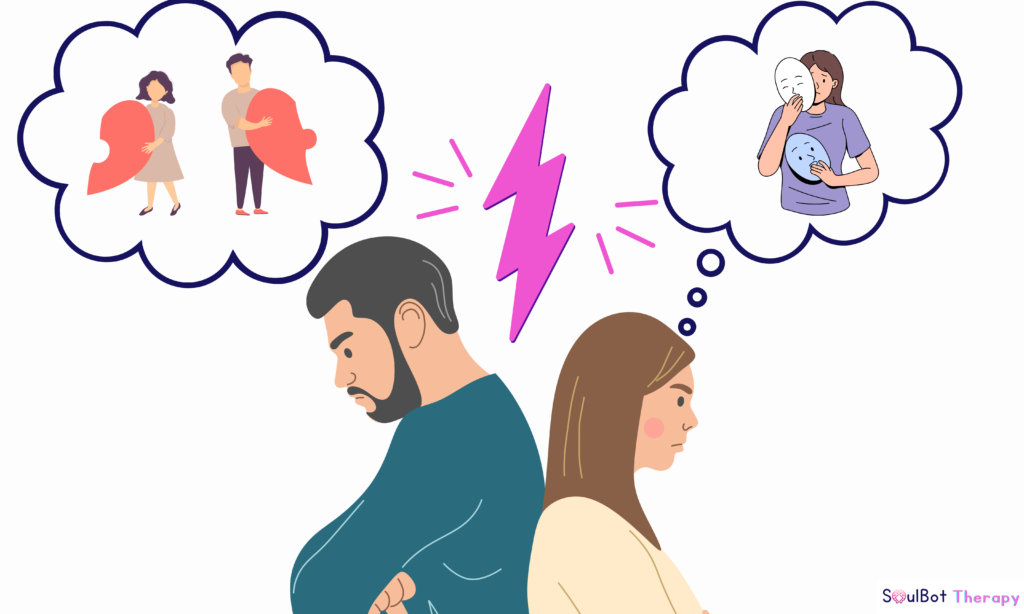
Quick Answer: What Should You Do When You Feel Unwanted?
Feeling unwanted in a relationship often means you are missing affection, attention, reassurance, effort or emotional responsiveness.
It does not automatically mean your partner no longer loves you. Stress, unresolved conflict, different emotional needs or personal insecurity can also create distance.
Start by identifying the exact behaviour making you feel unwanted. Explain how it affects you, ask clearly for what you need and notice whether your partner responds with care and consistent effort.
If your feelings are repeatedly dismissed, or you feel controlled, humiliated, or afraid, the problem may be more serious than a temporary disconnection.
What Are the Signs of Feeling Unwanted in a Relationship?
You may feel unwanted when:
- you initiate most conversations and plans
- your partner rarely asks about your feelings
- affection or sexual interest has decreased without discussion
- you feel lonely even when you are together
- your attempts to connect are ignored
- your partner regularly prioritises everything else
- expressing your needs makes you feel guilty
- you question whether you are attractive or lovable
- you feel that you care more than your partner does
One distant week does not define a relationship. Look for a repeated pattern and whether your partner is willing to discuss it.
Relationship researchers describe small requests for attention, affection or support as “bids for connection.” Repeatedly turning away from these bids can create loneliness and emotional distance.
Why Do I Feel Unwanted by My Partner?
1. Emotional Connection Has Reduced
Work, stress, parenting or routine may have pushed meaningful conversation and affection aside.
Your partner may still care but may not realise how disconnected you feel.
2. Conflict Has Not Been Resolved
Resentment can reduce warmth, attention and physical closeness.
When arguments are avoided rather than repaired, both partners may begin protecting themselves by withdrawing.
3. You Need Different Forms of Affection
One person may show care by helping with practical tasks, while the other needs words, touch or focused time.
Different expressions of care do not automatically mean absence of love. But both partners still need to communicate what helps them feel valued.
4. Past Rejection Is Affecting the Present
A previous betrayal, abandonment, or criticism may make distance feel especially threatening.
This does not mean the feeling is imaginary. It means it may contain both:
- something happening in the relationship now
- something painful that happened before
5. Your Partner Is Repeatedly Unresponsive
Feeling understood, cared for and accepted by a partner is an important part of emotional security. Physical presence alone may not feel supportive when emotional responsiveness is missing.
Feeling Unwanted vs Feeling Unloved
These feelings overlap, but they are not identical.
| Feeling unwanted | Feeling unloved |
|---|---|
| You feel undesired or unnoticed | You feel uncared for or emotionally unsupported |
| Often relates to attention or affection | Often relates to trust, acceptance and emotional safety |
| May include reduced physical intimacy | May include neglect or repeated dismissal |
| Can happen during temporary distance | May reflect a deeper relationship pattern |
Reduced affection does not always mean the relationship has ended. What matters is whether both partners can discuss the change honestly.
How to Stop Feeling Unwanted in a Relationship
1. Identify What Is Missing
Avoid starting with:
“You do not want me anymore.”
Be specific:
- We rarely spend time without phones.
- I initiate almost all physical affection.
- You change the subject when I discuss my feelings.
- We no longer plan anything together.
Specific behaviours are easier to discuss than conclusions about your worth.
2. Use the Fact–Feeling–Request Method
Try this SoulBot check-in:
- Fact: “We have cancelled our last three plans together.”
- Feeling: “I feel unimportant and disconnected.”
- Request: “Can we choose one evening this week to spend together without distractions?”
This communicates the problem without turning your partner into the problem.
The American Psychological Association recommends regular check-ins, open conversation and constructive listening rather than criticism or withdrawal.
3. Ask What Is Happening for Your Partner
Try:
“I have felt distance between us lately. Have you noticed it too?”
Your partner may be stressed, hurt, overwhelmed or experiencing their own doubts. Listen to the answer but do not use their stress to excuse ongoing neglect.
4. Agree on One Visible Change
“Make me feel loved” is difficult to measure.
Choose something clear:
- one uninterrupted conversation each evening
- one planned activity each week
- more verbal reassurance
- discussing changes in physical intimacy
- responding when one person asks for support
5. Watch the Response, Not Just the Promise
A caring response may include curiosity, accountability and effort.
A concerning response may include:
- mocking your needs
- calling you needy or dramatic
- refusing every conversation
- briefly changing and returning to the same pattern
- blaming you for wanting basic affection or respect
You cannot rebuild connection alone.
Is Emotional Distance Affecting Your Relationship?
The Free Emotional Availability Test can help you reflect on emotional openness, responsiveness and difficulty expressing needs.
Quick self-check · Instant result · Not a diagnosis
👉 Take the Emotional Availability Test
When Should You Reconsider the Relationship?
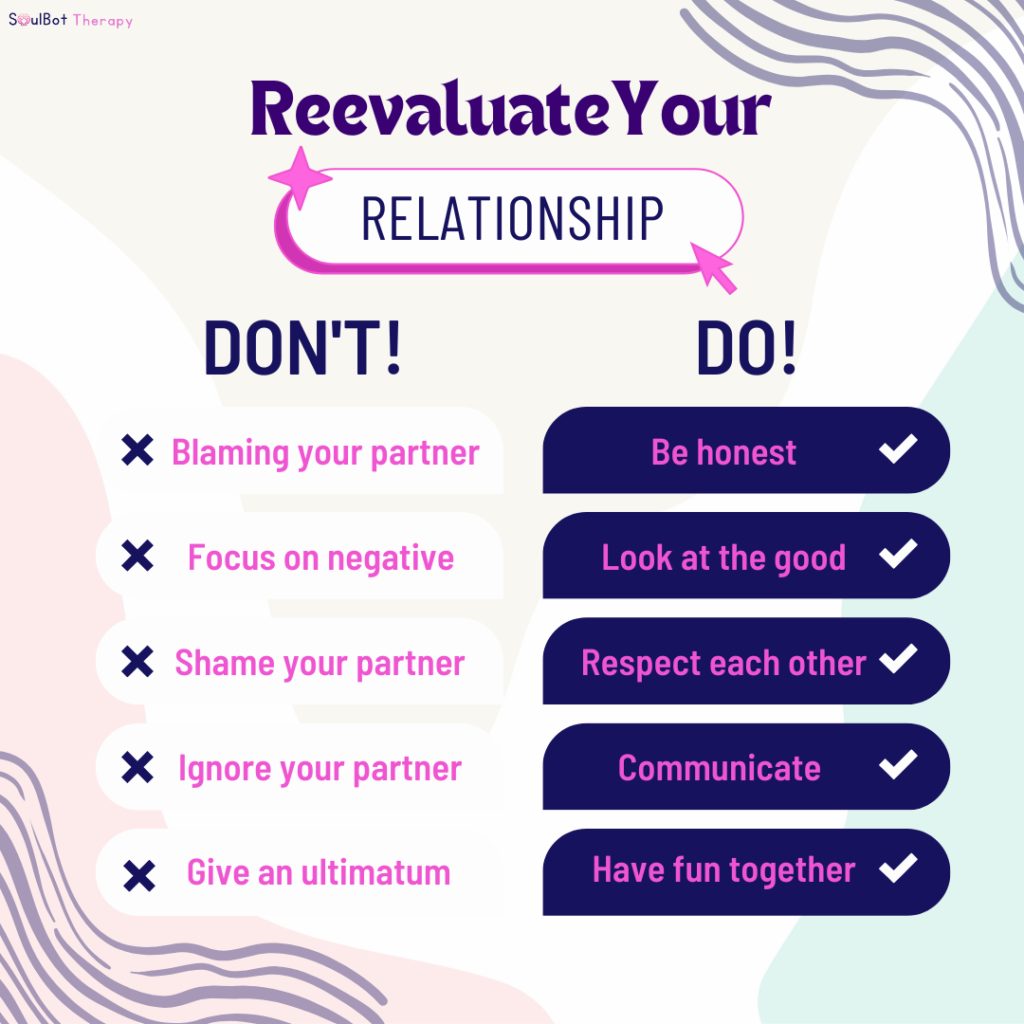
Reevaluate the relationship when:
- your needs remain ignored after clear conversations
- you consistently feel worse about yourself
- affection is withheld as punishment
- your partner humiliates, controls or isolates you
- you are afraid to express disagreement
- only one person is trying to repair the relationship
Emotional abuse can include insults, manipulation, intimidation, constant monitoring, and deliberately withholding attention or affection to control someone.
Couples therapy may help with mutual disconnection or communication problems. When control, threats or abuse are present, seek individual and specialist support instead.
Related: How Does Couples Therapy Work?
Talk to Soululu About Feeling Unwanted
When emotions are high, it can be difficult to separate what happened from what you fear it means.
Talk to Soululu to explore:
- what made you feel unwanted
- which need is not being met
- whether this is a temporary change or repeated pattern
- how to begin the conversation calmly
- what boundary may protect your well-being
Soululu supports reflection and communication planning. It cannot evaluate your partner, provide couples therapy or replace professional care.
Final Thought
Feeling unwanted is not proof that you are unlovable.
It is a signal that something needs attention—inside you, between you or within the relationship.
Name what is missing. Ask for it clearly. Then notice whether your partner meets your honesty with care and effort.