Home > Blog > Early Signs of Borderline Personality Disorder
Early Signs of Borderline Personality Disorder
Mental Health
Last Updated: July 22, 2026
Table of Contents
Quick Overview
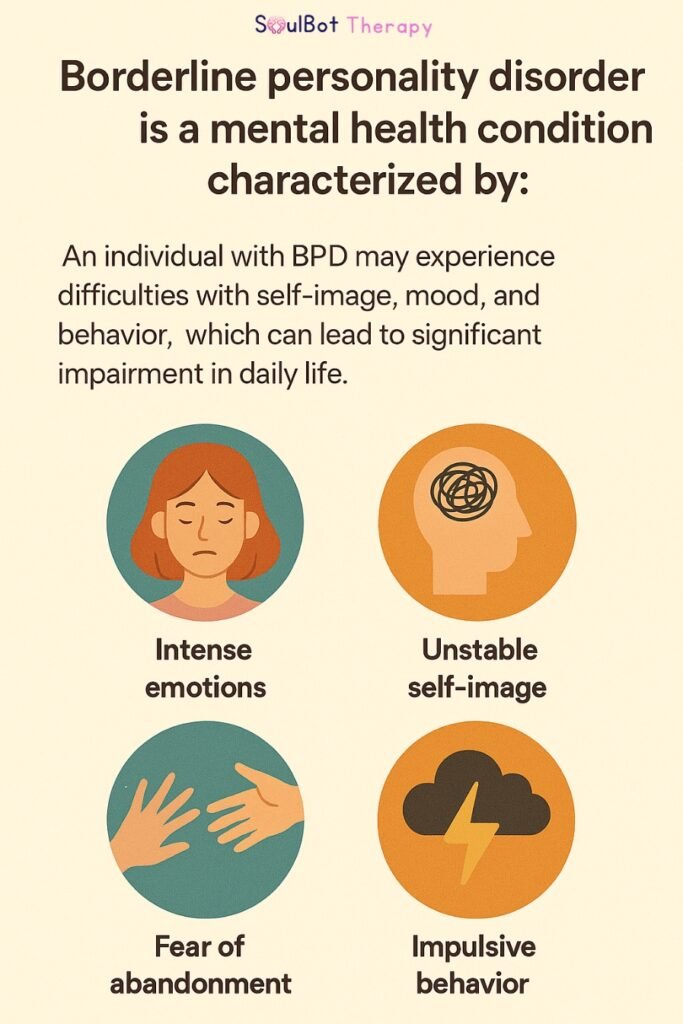
Borderline personality disorder (BPD) is a mental health condition involving persistent difficulties with emotional regulation, self-image, impulsivity and relationships.
Common signs may include:
Intense fear of abandonment
Rapidly changing emotions
Unstable or intense relationships
Uncertainty about identity
Chronic emptiness
Impulsive behaviour
Intense anger
Self-harm or suicidal thoughts
Having one or two of these experiences does not mean you have BPD. A licensed mental health professional must assess whether the symptoms form a lasting pattern across different areas of life.
BPD is treatable. Psychotherapy, especially approaches such as Dialectical Behaviour Therapy (DBT), can help people regulate emotions, improve relationships and reduce harmful behaviours.
What Is Borderline Personality Disorder?
Borderline personality disorder is a recognised mental health condition that affects how a person experiences emotions, sees themselves and connects with others.
You may feel emotions very intensely, fear being rejected or abandoned, and struggle to feel secure in relationships, even when you deeply want closeness. There are different types of BPD.
BPD is not a character flaw, attention-seeking behaviour or proof that someone is “too dramatic.” It is a complex condition that deserves proper assessment and compassionate support.
According to the National Institute of Mental Health, BPD can affect mood, behaviour, self-image and relationships. Symptoms can overlap with depression, anxiety, PTSD, bipolar disorder, eating disorders and substance-use disorders, which is why professional assessment matters.
What Are the Early Signs of Borderline Personality Disorder?
There is no single symptom that confirms BPD. Clinicians look for a persistent combination of emotional, behavioural, identity and relationship patterns.
1. Intense Fear of Abandonment
A delayed reply, changed plan or small disagreement may feel like proof that someone is leaving.
This fear can lead to:
Repeated reassurance-seeking
Panic when someone becomes distant
Pushing people away before they can leave
Quickly becoming attached
2. Rapid and Intense Emotional Changes
Emotions may shift quickly and feel difficult to control.
You might move from closeness to anger, hope to despair, or confidence to shame within hours, often after feeling rejected, criticised or ignored.
3. Unstable or Intense Relationships
Relationships may feel deeply connected one moment and painfully unsafe the next.
A person may alternate between idealising someone and feeling disappointed, betrayed or rejected by them.
4. An Unstable Sense of Identity
You may struggle to answer:
Who am I?
What do I really want?
Why do I feel like a different person around different people?
Goals, values, career plans, or self-image may change frequently.
One impulsive decision does not indicate BPD. The concern is a repeated pattern that creates distress or harm.
7. Intense Anger
Anger may feel sudden, overwhelming or difficult to calm.
It can appear as shouting, sarcasm, resentment, physical tension, or anger turned inward through shame and self-criticism.
8. Dissociation or Suspicious Thoughts Under Stress
During intense stress, some people feel detached from themselves or their surroundings.
They may describe:
Feeling unreal
Watching themselves from outside their body
Feeling disconnected from time
Becoming unusually suspicious of others
9. Self-Harm or Suicidal Thoughts
Some people with BPD self-harm or experience recurring thoughts of suicide, especially during periods of rejection, conflict or emotional overwhelm.
These symptoms require immediate support and should never be dismissed as “attention-seeking.”
Urgent support: If you may harm yourself or cannot stay safe, call emergency services now. In India, dial 112 for emergency assistance or contact Tele-MANAS at 14416 or 1800-89-14416 for mental health support. Outside India, contact your local emergency or crisis service.
Do I Have BPD or Just Strong Emotions?
Feeling deeply does not automatically mean you have borderline personality disorder.
Strong emotions are part of being human. BPD is more likely to involve a persistent pattern that affects several areas of life, including:
Relationships
Identity
Impulse control
Emotional regulation
Daily functioning
Consider seeking an assessment when emotional patterns repeatedly cause distress, relationship breakdowns, unsafe behaviour or difficulty functioning. Read about how BPD gets triggered.
BPD vs Bipolar Disorder: What Is the Difference?
BPD and bipolar disorder can both involve mood changes and impulsivity, but they are not the same condition.
Borderline Personality Disorder
Bipolar Disorder
Emotional shifts are often connected to rejection, conflict or relationship stress
Mood episodes may occur without an immediate relationship trigger
Feelings may change within hours or a day
Mania, hypomania or depressive episodes usually last days or longer
Commonly affects identity and relationship stability
Defined by episodes of depression, mania or hypomania
Fear of abandonment may be prominent
Abandonment fear is not a defining symptom
Only a qualified professional can distinguish between them. They can also occur together.
What Causes Borderline Personality Disorder?
There is no single cause of BPD.
Current evidence suggests that it may develop through a combination of:
Genetic vulnerability
Differences in emotional sensitivity
Early relationships and environment
Trauma, neglect or instability
Repeated emotional invalidation
Not everyone with BPD has experienced trauma, and not everyone who experiences trauma develops BPD.
The NHS explains that BPD likely develops through several interacting factors rather than one experience alone.
How Does BPD Affect Relationships?
BPD can create a painful push-pull pattern.
You may desperately want closeness but become overwhelmed when the relationship feels uncertain. A small sign of distance may trigger panic, anger, withdrawal or the urge to end the relationship first.
This can lead to:
Frequent reassurance-seeking
Intense closeness followed by sudden distance
Conflict after perceived rejection
Guilt and shame after emotional reactions
Difficulty trusting that relationships are secure
These patterns do not mean a person with BPD cannot have healthy relationships. With treatment, communication and emotional-regulation skills, relationships can become far more stable.
Yes. BPD is treatable, and many people experience major improvements in symptoms, relationships and daily functioning over time.
Psychotherapy is the main treatment. Approaches may include:
Dialectical Behaviour Therapy
DBT teaches skills for:
Emotional regulation
Distress tolerance
Mindfulness
Safer coping
Healthier relationships
Mentalisation-Based Therapy
This approach helps people understand their own thoughts and emotions while becoming more accurate about what others may be thinking or feeling.
Other Structured Psychotherapies
Treatment may also include individual, group or family support depending on the person’s needs.
Medication is not considered a primary treatment for BPD itself, although a clinician may prescribe it for specific symptoms or co-occurring conditions.
The NIMH and NICE recommend structured treatment with qualified mental health professionals.
Should I Take a Borderline Personality Disorder Test?
A BPD self-assessment can help you notice emotional and relationship patterns, but it cannot diagnose borderline personality disorder.
Use your results as a starting point for reflection not as a final label. Share them with a psychologist or psychiatrist if the patterns are affecting your safety, relationships or daily life.
How Can Soululu Support Emotional Reflection?
Soululu does not diagnose or treat BPD.
It can offer a private space to:
Name difficult emotions
Track recurring triggers
Prepare for therapy conversations
Reflect before reacting
Practise grounding and journaling
Notice relationship patterns over time
💬 Talk to Soululu when you need space to slow down and understand what you are feeling. Soululu is not a crisis service or replacement for professional mental health care.
Final Thought: Awareness Without Shame
Borderline personality disorder is not proof that someone is manipulative, broken or incapable of healthy love.
It is a serious but treatable mental health condition.
Recognising patterns is not the same as diagnosing yourself. It is a reason to seek accurate information, compassionate support and professional guidance.
You do not need to wait until you are in crisis to ask for help.
Early signs may include intense fear of abandonment, unstable relationships, rapidly changing emotions, impulsive behaviour, identity confusion and chronic emptiness. A diagnosis requires a professional assessment of the overall pattern.
Yes. BPD symptoms can overlap with anxiety, depression, PTSD, ADHD, eating disorders and bipolar disorder. Some people seek help for one symptom before recognising a broader pattern.
No. Mood changes alone do not mean BPD. Borderline personality disorder also involves persistent difficulties with identity, relationships, abandonment fears and emotional regulation.
A BPD test is a self-reflection or screening tool. A diagnosis involves a detailed assessment by a licensed psychologist, psychiatrist or other qualified mental health professional.
Yes. Evidence-based psychotherapy can reduce symptoms, improve emotional regulation and support healthier relationships. DBT is one commonly used treatment.
Sonali Shastri is a Content Expert at SoulBot Therapy, where she creates mental health and self-discovery content that feels clear, relatable, and emotionally grounded. She specializes in translating psychology-informed ideas into simple, relatable blogs, test pages, and reflection-based resources. Her work helps readers understand themselves better while reducing stigma around mental health conversations.