
You’ve probably heard people say, “You’re such a dominant person.”
Sometimes it’s meant as a compliment, confident, assertive, in control.
Other times, it sounds like criticism, bossy, intimidating, and unyielding.
So which is it?
The truth is, dominant behaviour isn’t about power; it’s about how you create safety, structure, and direction for yourself and others. But when that energy loses empathy, it can shift from leadership to control.
🧠 Take the Dominant or Submissive Personality Quiz, explore your emotional expression style and strengths.Let’s explore how dominance works emotionally, what healthy dominance looks like, and how you can lead confidently without losing connection.
What Does Dominant Behaviour Really Mean?
Dominant behaviour refers to assertive, take-charge tendencies driven by confidence and a need for control over uncertainty.
It’s not arrogance; it’s often rooted in emotional responsibility. You like things organised, clear, and predictable. You lead because it helps you feel secure, not because you need to win.
In psychology, dominance is considered a behavioural expression of leadership, the desire to take initiative, influence outcomes, and protect those around you.
It’s a strength, as long as it’s guided by self-awareness.
True dominance isn’t control; it’s confidence with emotional intelligence.
Signs of Healthy Dominant Traits
Having dominant traits isn’t a problem; in fact, they often make people decisive, dependable, and successful leaders.
Here are some signs of healthy dominance you might recognise in yourself:
- You stay calm and take charge during chaos.
- You’re decisive and solution-focused.
- You prefer structure and responsibility.
- You feel protective toward loved ones or your team.
- You motivate others to act rather than wait.
- You hold yourself to high standards.
People with balanced dominance tend to exude quiet authority. They don’t need to control; they simply create direction.
🧠 SoulFact: Assertive dominance is often linked with self-confidence, resilience, and strong communication traits that make people feel secure around you.
When Dominant Traits Become Controlling?
Even strength can tip into imbalance.
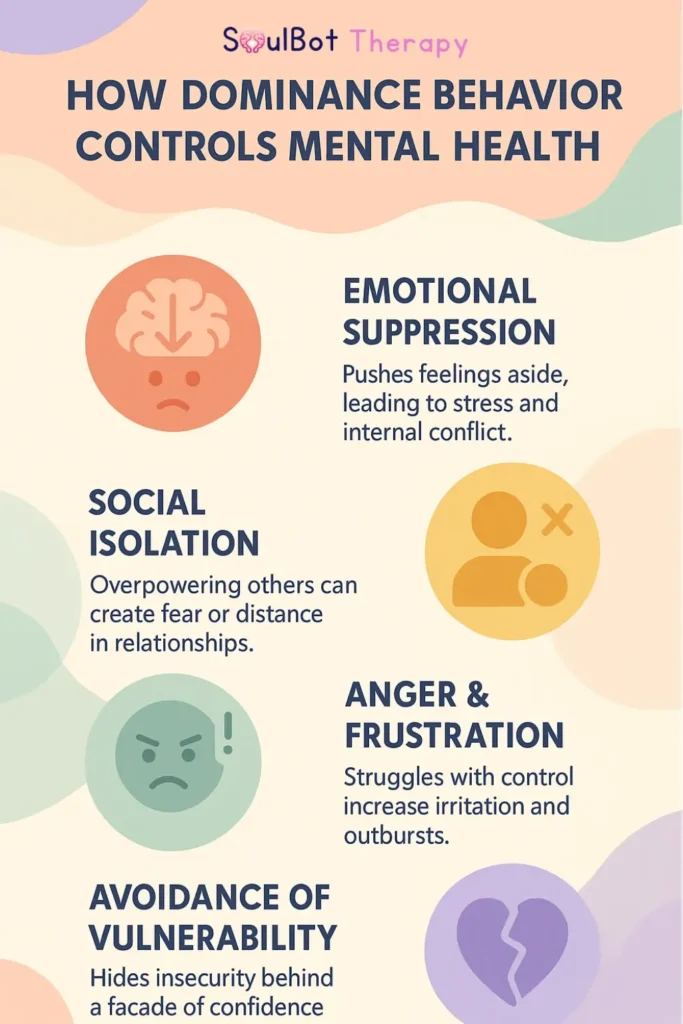
Dominant behaviour becomes unhealthy when confidence turns into control, and leadership becomes emotional rigidity.
This often happens when fear sneaks in, fear of losing control, being misunderstood, or getting hurt.
You might:
- Dismiss others’ opinions to stay in charge.
- Feel frustrated when people hesitate or disagree.
- Struggle to express vulnerability or ask for help.
- Become impatient when things don’t go as planned.
That’s not ego, it’s protection. But over time, it can push people away.
Confident vs controlling behaviour comes down to intent:
- Confidence leads with trust.
- Control leads with fear.
Dominant Traits in Relationships: Strengths and Struggles
In relationships, dominant traits can bring both stability and strain.
You might naturally take the lead in planning, deciding, and offering direction. Your partner might even find that grounding and attractive.
But if emotional awareness doesn’t balance that strength, emotional dominance can creep in where your way becomes the way.
You may unknowingly silence your partner’s needs, thinking you’re protecting them.
Healthy dominance in relationships looks like:
- Guiding without dictating
- Protecting without controlling
- Communicating openly instead of commanding
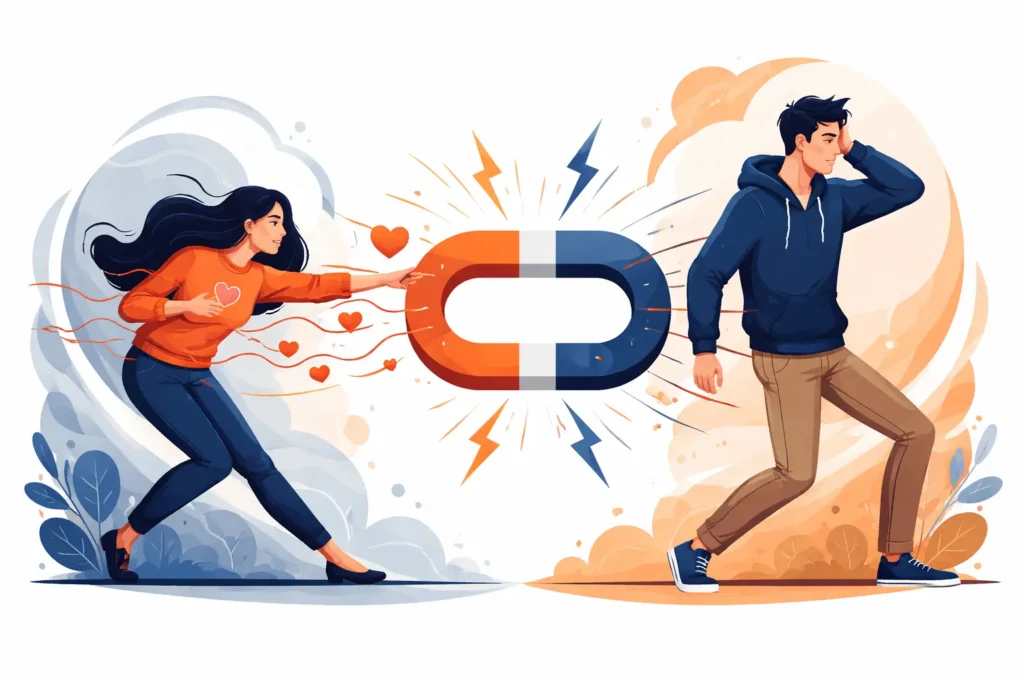
When paired with empathy, dominant energy becomes magnetic, not overbearing.
🧠 SoulFact: Emotionally intelligent leaders maintain power with people, not over them. In relationships, this means influence built on respect, not control.
The Psychology Behind Dominance
Most dominant individuals developed their traits early, often as a response to uncertainty or chaos.
If you grew up needing to take charge to feel safe or seen, leadership became your comfort zone.
Dominance can be both nature and nurture, a mix of confidence, personality, and learned behavior. But emotional dominance often hides a truth:
You lead not because you need power, but because structure helps you feel safe.
How to Deal with Dominant People (and Lead with Empathy)?
If you’re the dominant one or dealing with someone balanced, balance is everything.
Here’s how to handle dominant behaviour in healthy ways:
💬 If You’re Dominant:
- Pause before deciding: Let others contribute before finalising.
- Ask, don’t instruct: Curiosity builds trust faster than authority.
- Show vulnerability: Admitting uncertainty increases respect, not weakness.
- Reflect with SoulBot: Awareness keeps confidence from slipping into control.
💭 If You’re with a Dominant Person:
- Speak clearly and confidently; they respect directness.
- Set gentle boundaries early.
- Avoid power struggles; use calm communication instead.
- Acknowledge effort, not ego; they thrive on purpose, not praise.
Healthy dominance is about influence through clarity, not intimidation.
How SoulBot Helps You Reflect and Rebalance Power Dynamics?
Dominant energy thrives with awareness, and SoulBot helps you build that emotional intelligence.
Through reflection prompts, journaling, and daily mood tracking, you’ll start noticing when confidence turns into control and how to bring empathy back to the surface.
💬 Chat with SoulBot when you feel pressure to take charge, it’ll help you slow down and reconnect with compassion.🧠 Or take the Dominant or Submissive Personality Quiz to discover how your behaviour shows up in relationships.