Not everyone with Borderline Personality Disorder (BPD) looks or feels the same, and that’s what makes it so misunderstood.
Some people lash out, some shut down, and some quietly carry a storm no one sees. These aren’t contradictions; they’re different emotional survival styles.
Psychologist Theodore Millon identified four core types of Borderline Personality Disorder, showing how early trauma, attachment patterns, and coping responses shape unique BPD subtypes. Understanding them doesn’t box you in; it helps you see why you feel and react the way you do.
And if you haven’t yet, 🧠 try the Borderline Personality Disorder Test to discover your emotional intensity level and learn practical coping strategies.What Are the 4 Types of Borderline Personality Disorder?
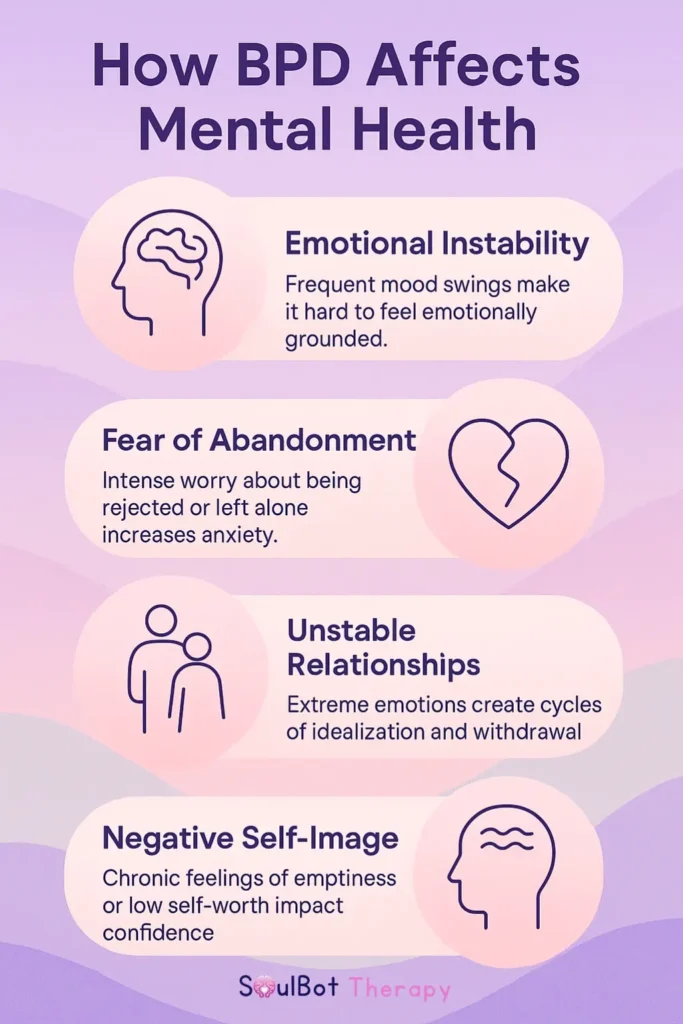
BPD isn’t a one-size-fits-all diagnosis. Each person experiences emotional intensity, fear of abandonment, and identity confusion differently.
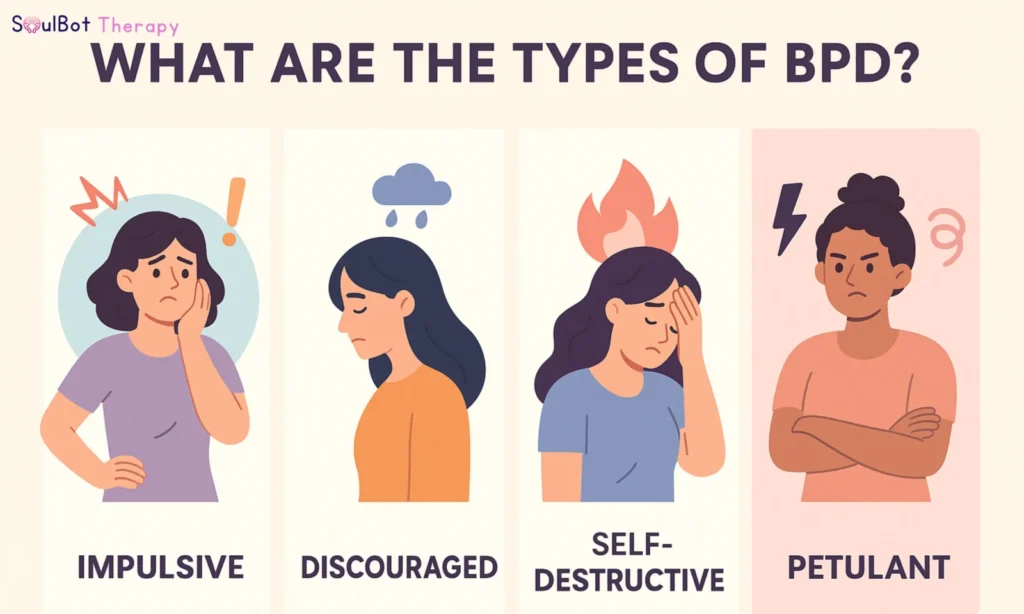
Millon’s framework identifies four BPD subtypes, each reflecting how emotional pain is processed and expressed:
- The Impulsive Type
- The Petulant Type
- The Self-Destructive Type
- The Discouraged (Quiet) Type
These subtypes often overlap, meaning one person may show traits of two or more. Let’s unpack each type so you can better understand yourself or someone you care about.
SoulFact: According to NIMH, BPD affects around 1.6% of adults, but emotional traits may appear in many more people without a complete diagnosis.
The Impulsive Type: When Emotions Move Faster Than Logic
If your emotions feel like they’re always at full volume, this might resonate.
The impulsive BPD type thrives on stimulation and immediate reward, anything to escape boredom or emptiness. People with this subtype may act first and think later, seeking intensity through relationships, thrill-seeking, or risk-taking behavior.
You might notice:
- A pattern of sudden mood shifts and impatience
- Acting out when feeling ignored or trapped
- Difficulty maintaining focus or routine
This isn’t about recklessness; it’s about trying to feel alive when emotional numbness hits. The key to balance lies in channeling that energy into movement, creativity, or therapy-based impulse control tools.
The Petulant Type: When Love Feels Like a Test You Can’t Pass
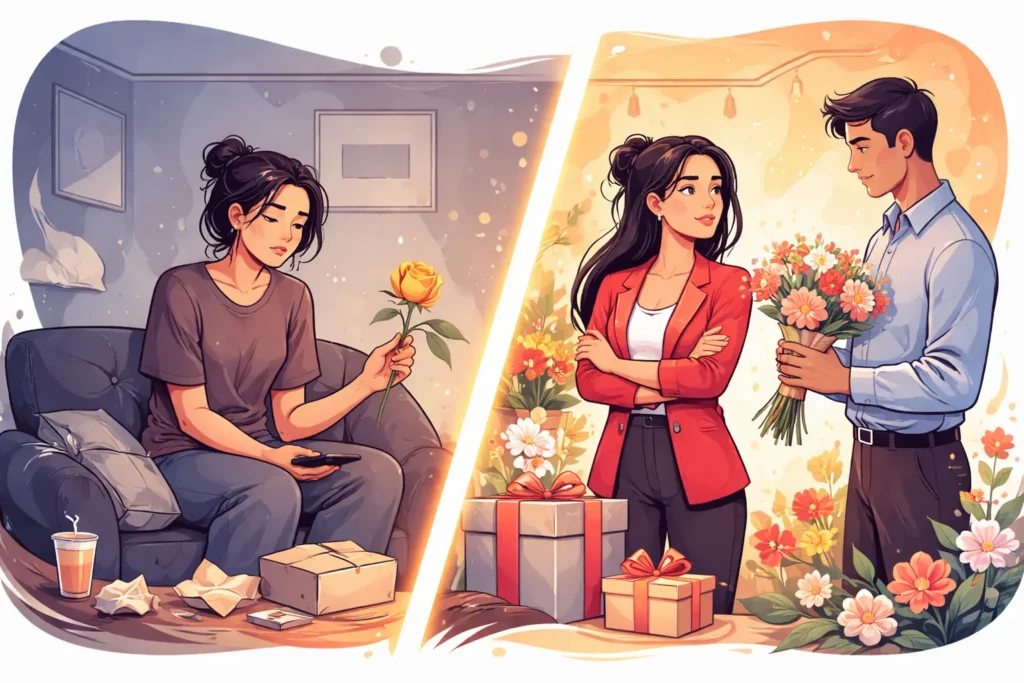
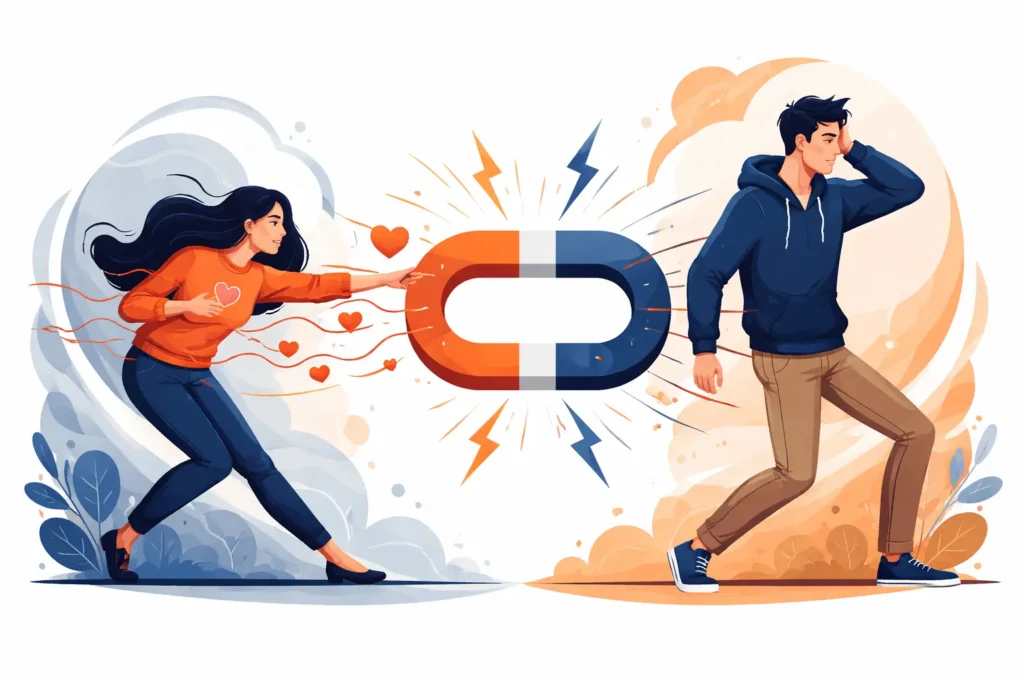
The petulant BPD pattern often swings between wanting closeness and pushing people away. You crave love deeply, but when it feels uncertain, resentment builds fast.
This type can appear irritable, controlling, or withdrawn when hurt. Underneath, there’s often a quiet terror of rejection and a longing for reassurance that never feels enough.
You might recognize:
- Fear of abandonment masked as anger or withdrawal
- Emotional “tests” to see if someone truly cares
- Feeling powerful one moment, helpless the next
Healing begins when you learn that love doesn’t have to be earned through conflict; it can be received through consistency and emotional safety.
The Self-Destructive Type: When Pain Turns Inward
Some people don’t lash out; they turn their pain inward.
The self-destructive BPD subtype often hides behind guilt, shame, or self-sabotage. You might punish yourself emotionally or physically because you believe you don’t deserve peace.
Common signs include:
- Engaging in self-harming or self-sabotaging behaviours
- Feeling unworthy or ashamed after emotional triggers
- Rejecting help even when you want it
This pattern isn’t about wanting to disappear; it’s about wanting the pain to stop. Therapy, trauma-informed care, and compassion practices help rewire this belief, teaching that you’re not “too much,” you’re just hurting in silence.
SoulFact: Research published in Verywell Mind notes that understanding your subtype can improve therapy outcomes by helping tailor emotional regulation strategies.
The Discouraged (Quiet) Type: When Turmoil Hides Behind Calm
Known as quiet borderline personality disorder, this is the BPD type that hides in plain sight.
The discouraged BPD individual rarely explodes outwardly; instead, they internalise their emotions, appearing calm or people-pleasing while struggling with inner chaos.
Traits often include:
- Suppressed anger or people-pleasing tendencies
- Fear of burdening others with emotions
- Anxiety, depression, or chronic emptiness
Because their pain is invisible, this subtype is often overlooked even by therapists. Healing involves learning emotional self-expression and setting boundaries that protect, not isolate.
Can Someone Have More Than One BPD Subtype?
Absolutely. These BPD subtypes aren’t rigid boxes; they’re patterns that blend and shift based on stress, environment, and healing progress.
You might recognise traits from two or even all four. That doesn’t mean your experience is inconsistent; it means your emotional world is layered.
Understanding your BPD subtype helps you approach recovery with compassion instead of confusion. It’s not about labelling, it’s about self-awareness that leads to emotional regulation and healthier relationships.
How SoulBot Helps You Understand Your Emotional Patterns
SoulBot was designed to help you notice, not judge, your emotions.
Through daily reflections, emotion-tracking, and personalised reminders, SoulBot helps you map your BPD subtype patterns and find calm when you feel overwhelmed.
💬 Chat with SoulBot for daily grounding prompts and reflection tools that make emotional awareness feel less like therapy and more like self-understanding.🧠 Take the BPD Test to explore where you fall on the emotional spectrum and learn personalized recovery tips.