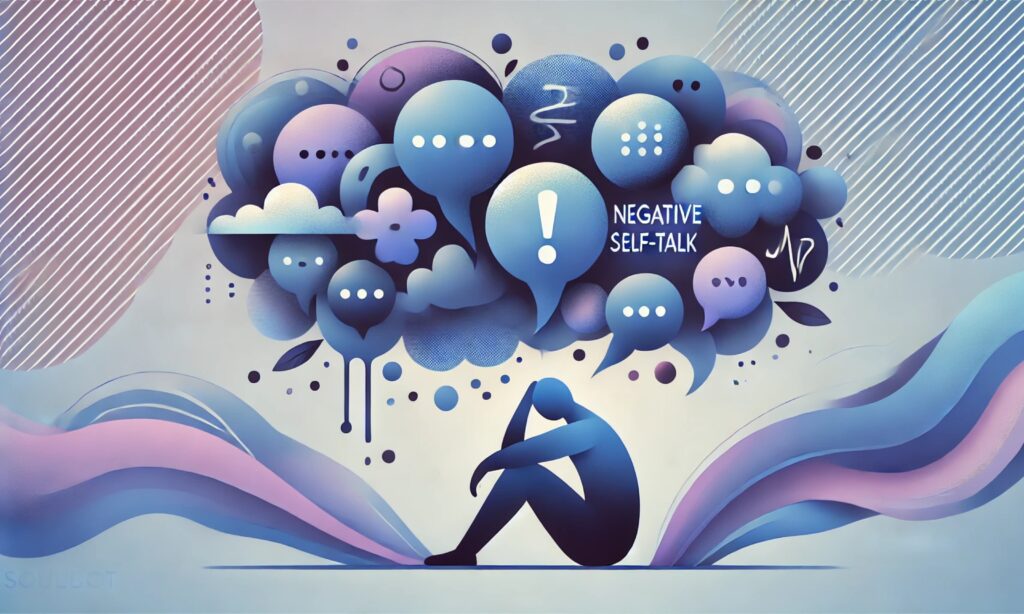
Ever felt like you’re holding yourself back from success, even when you want it? That pattern is called self-sabotage, and it’s more common than you think. This behaviour keeps you stuck in a cycle of neglected opportunities and unfulfilled potential. Let’s dive into the meaning of self-sabotage, why we do it, and how to stop sabotaging yourself.
What is Self-Sabotage?
Self-sabotage refers to patterns of thoughts or behaviours that are often unconscious and interfere with your long-term goals, relationships, or well-being. It’s like setting up roadblocks in your path. Whether in relationships, career, or personal growth, self-sabotaging behaviours keep you from reaching your full potential.
Common Examples of Self-Sabotage:
- Procrastination – Constantly delaying tasks even when you know they’re essential.
- Negative Self-Talk – Telling yourself, “I’m not good enough” or “I’ll fail anyway.”
- Fear of Failure (or Success) – Avoiding opportunities out of fear of what might happen.
- Toxic Relationships – Repeatedly choosing relationships that drain you emotionally.
- Avoidance – Dodging responsibilities, conversations, or challenges.

Why Do We Self-Sabotage?
Many wonder why people self-sabotage. The answer lies in psychology. Our minds seek comfort in what’s familiar, even unhealthy. Fear, past conditioning, and self-doubt all play significant roles. From a psychological perspective, self-sabotage is often a protection strategy. If success, intimacy, or visibility once led to criticism or rejection, the brain may try to “protect” you by avoiding it again. Developing stronger emotional awareness and regulation skills can significantly reduce self-sabotage patterns over time.
Key Reasons for Self-Sabotaging Behaviour:
- Fear of Change – Staying in your comfort zone feels safer than taking risks with something new.
- Low Self-Esteem – If you don’t believe you deserve success, you’ll unconsciously sabotage it.
- Imposter Syndrome – Feeling like a fraud makes you avoid taking credit or opportunities.
- Unhealed Trauma – Past experiences shape behaviours, making self-destructive a learned response.
- Perfectionism – Setting impossible standards leads to avoidance or inaction.
Types of Self-Sabotage
Self-sabotage can take many forms, often creeping into different aspects of life without us realising it. Here are the most common types of self-sabotage and how they hold us back:
1️⃣ Procrastination 🕒
- Delaying important tasks despite knowing the effects.
- Often driven by fear of failure, perfectionism, or lack of confidence.
- Example: Putting off applying for a job or avoiding a difficult conversation.
🧠 Struggling with self-defeating behavior? Let SoulBot, your AI Mental Health Assistant, guide you toward self-awareness and positive change. Start Your Journey!2️⃣ Negative Self-Talk 🗣️
- Constantly doubting yourself and reinforcing limiting beliefs.
- It creates a mindset where you expect failure before even trying.
- Example: Saying, “I’m not good enough for this opportunity.”
💡 SoulFact: Research from The National Institute of Mental Health (NIMH) suggests that negative self-talk can contribute to anxiety and depression over time.
3️⃣ Perfectionism 🎯
- Setting impossibly high standards and fearing anything less than perfect.
- This leads to inaction because if you can’t do it perfectly, why do it?
- Example: Spending hours rewriting an email because it doesn’t feel “just right.”
💡SoulFact: According to The American Psychological Association (APA), perfectionism is a significant cause of self-sabotage and is linked to burnout and chronic stress.
4️⃣ Fear of Success 🚀
- Subconsciously avoiding growth due to fear of change or new responsibilities.
- Stems from low self-worth or believing you don’t “deserve” success.
- Example: Turning down a promotion because it feels “too much to handle.”
💡 SoulTip: Many people who self-sabotage do so because their comfort zone feels safer than success.
5️⃣ Avoidance & Isolation 🚪
- Ignoring responsibilities, people, or emotions that need attention.
- Often caused by fear of confrontation, rejection, or failure.
- Example: Ignoring relationship problems instead of addressing them.
6️⃣ Self-Destructive Habits 🛑
- Engaging in behaviours that damage your physical or emotional well-being.
- Includes overspending, unhealthy eating, substance abuse, or toxic relationships.
- Example: Sabotaging a healthy relationship due to fear of vulnerability.
Many people don’t realise that external factors like social media can influence self-sabotaging behaviours. Learn how social media can contribute to depression and negative self-perception and how to protect your mental well-being.
How to Stop Self-Sabotaging?
Now that we understand self-sabotage, let’s explore how to break free.
1️⃣ Identify Your Triggers
Recognise patterns. What situations make you procrastinate or doubt yourself? Awareness is the first step to change.
2️⃣ Challenge Negative Thoughts
Challenge distorted thinking patterns. Instead of replacing thoughts with blind positivity, question them:
“What evidence supports this belief?”
“What would I say to a friend in this situation?”
3️⃣ Set Realistic Goals
Perfectionism fuels self-sabotage. Set achievable milestones and celebrate progress, not just perfection.
4️⃣ Seek Support
A Mental Health Coach or therapist can help uncover deep-rooted fears and guide you toward healing.
5️⃣ Integrate AI Tools into Your Mental Wellness Routine
AI counselling platforms can provide instant self-awareness insights, emotional regulation techniques, and guidance when dealing with self-sabotage.
💡Soul Fact: Studies suggest digital tools like AI Mental Health Assistants can support behaviour change by offering personalised guidance and motivation.
Is Self-Sabotage a Mental Health Issue?
Self-sabotage is not a diagnosis, but it is often linked to anxiety, depression, trauma, and low self-worth. Addressing the underlying emotional patterns reduces self-sabotaging behaviour significantly.
Conclusion: Breaking Free from Self-Sabotage
Self-defeating behaviour can feel like an endless cycle, but the good news is you have the power to break it. Recognising self-sabotaging behaviours is the foremost step toward change. Whether it’s procrastination, negative self-talk, or anxiety about success, understanding why we self-sabotage helps us regain control over our choices.
By challenging limiting beliefs, setting realistic goals, and seeking support, you can stop sabotaging yourself and start building the life you truly deserve. Breaking self-sabotage isn’t about becoming fearless. It’s about building awareness and choosing small, consistent actions despite discomfort.
🚀🧠 Want deeper insight into your behaviour patterns? Take the Free Personality Test to understand your strengths, blind spots, and growth areas.
 Start Your Self-Discovery Now!