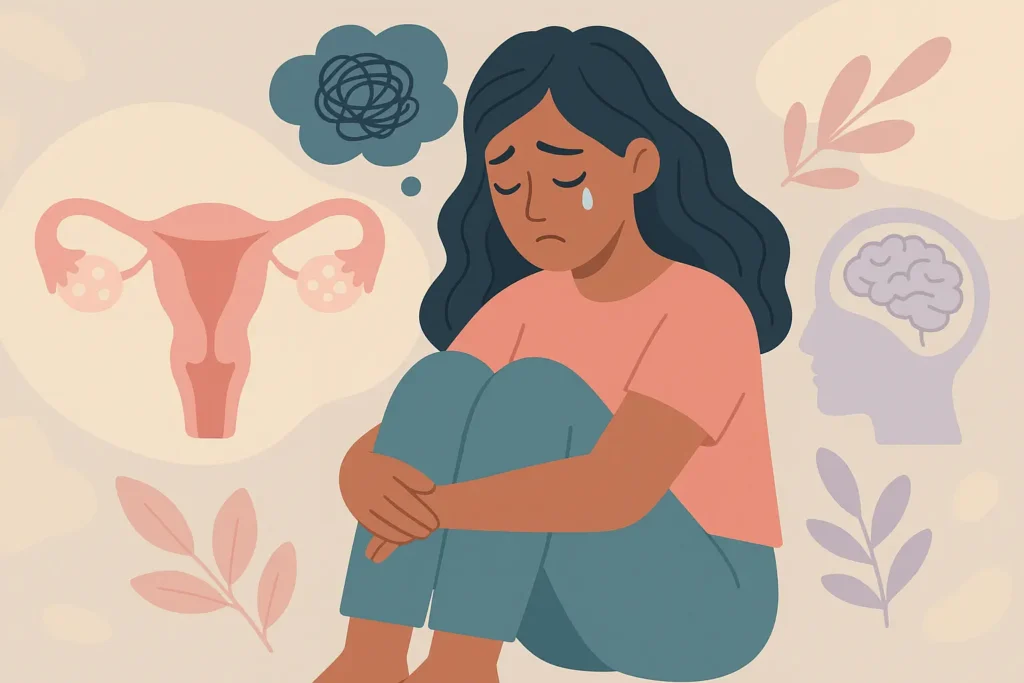
If you’re living with Polycystic Ovary Syndrome (PCOS), you might already know the physical symptoms: irregular periods, excess hair growth, and weight changes.
But there’s another dimension often overlooked: PCOS mental health. It’s not just about hormones; it’s about how your mind shows up when your body is in flux. In this article, we’ll guide you through thoughtful strategies to support your mental and emotional wellbeing while managing PCOS.
👉 Think you might have ADHD? Take the ADHD Self-Screening Quiz to understand your symptoms better.The Link Between PCOS and Mental Health
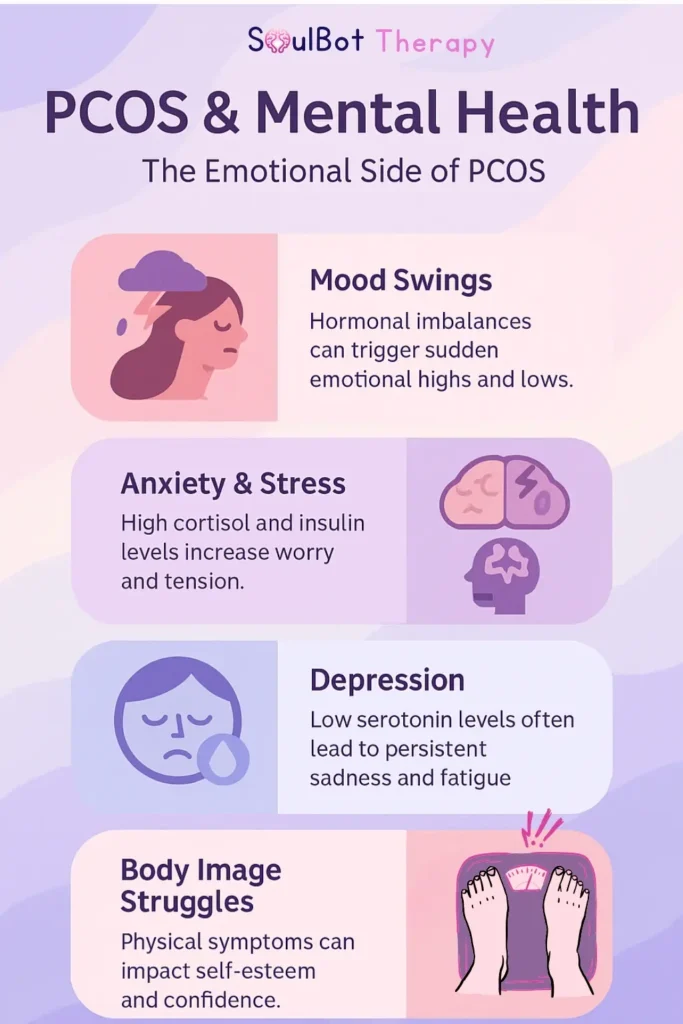
When we examine PCOS mental health, research shows that women with PCOS face significantly higher rates of depression and anxiety compared to their peers. The causes are multifaceted: hormonal imbalance, insulin resistance, inflammation, and the daily stress of body change. Among the secondary keywords, we’ll explore PCOS depression, PCOS anxiety, and PCOS and mood disorders to understand what’s really happening.
For example, excess androgens and insulin resistance may alter neurotransmitter balance, contributing to mood changes. Body image concerns and fertility worries can feed into self-esteem and quality of life issues, connecting to PCOS body image issues and PCOS self-esteem. Recognising this link is the first step in taking meaningful action.
Why PCOS Affects Mood and Emotions
Hormonal and Metabolic Triggers
Hormonal changes tied to PCOS (like elevated testosterone and insulin resistance) can influence brain chemistry. This is the biological underpinning of hormonal imbalance and PCOS mental health.
Metabolic strain and inflammation may worsen fatigue and irritability, increasing the likelihood of mood shifts.
💡Soul Fact: A study published in the Journal of Clinical Endocrinology & Metabolism found that hormonal imbalances and insulin resistance in PCOS significantly contribute to mood instability and poor mental health outcomes.
The Emotional Impact of Living with PCOS
Living with PCOS often means facing chronic symptoms, fertility questions, and visible changes in the body. These experiences take a toll on the psychological impact and PCOS quality of life. You may find yourself comparing to others, feeling isolated or frustrated, and your mental health may suffer quietly.
The Stress-Loop
When you’re trying hard to manage PCOS symptoms, but your body resists them, it can feel defeating. That internal dialogue (“Why isn’t this working?”) adds emotional weight and triggers stress. The keyword PCOS stress and coping becomes vital because managing that stress is key to breaking the loop.
Practical Mental Health Strategies for Women with PCOS
Now, let’s turn insight into action. Here are proven strategies to support PCOS mental health grounded in evidence and lived experience.
1. Move Your Body with Intention
Moderate exercise improves mood by releasing endorphins and improving insulin sensitivity. Whether it’s brisk walking, gentle yoga, or light strength training, each session is a win. As you move, you reinforce that your body is working with you, not against you.
2. Nourish in a Mind-Body Way
Focus on foods that stabilise blood sugar, reduce inflammation, and support neurotransmitter production. A diet rich in whole grains, vegetables, lean protein, and healthy fats helps. Think of this as supporting your PCOS mental health through nourishment. It also aids in reducing PCOS depression and PCOS anxiety when used as part of a broader approach.
3. Practice Mindfulness & Emotional Awareness
Slowing down to acknowledge your feelings helps prevent emotions from becoming overwhelming. Journaling, grounding exercises, meditation, or even guided prompts can make a difference. These practices support PCOS self-esteem and help you feel less alone in the journey.
4. Reframe Your Body Story
When you experience PCOS body image issues, your mental health can suffer silently. Find ways to shift the narrative: from what your body does to what it looks like. Celebrate non-scale victories, mark energy improvements, and build an inner dialogue that honours your resilience.
5. Build a Support Network & Seek Professional Help
Friends, family, or peer groups who understand PCOS can be lifelines. When it comes to mental health care, a therapist with experience in hormonal disorders, chronic illness, or women’s health can be especially helpful. Use support to address PCOS’s psychological impact and work through patterns of negative self-talk or low mood.
6. Monitor Mood and Symptoms
Keep a log of mood shifts, physical symptoms, and lifestyle patterns (sleep, nutrition, movement). Over time, you’ll begin to see patterns. Sharing this with your healthcare provider allows for better targeted discussions about PCOS and mood disorders and supports holistic care.
💡SoulFact: According to the National Institutes of Health (NIH), women with PCOS are three times more likely to experience depression and anxiety than those without the condition.
When to Seek Professional Help
If anxiety, depression, or mood shifts are interfering with your daily life, sleep, work, or relationships, then it’s time to reach out. A mental health professional can help you navigate the interplay between your physical condition and emotional wellbeing. Don’t wait. Your mental health matters just as much as your physical health.
Conclusion
Managing PCOS is a journey, and your mental health is a key part of it. By integrating strategies for movement, nourishment, emotional awareness, and support, you create a supportive ecosystem for your mind and body. Remember: you’re not alone. With kind awareness and practical steps, you can improve your PCOS mental health and live with stronger clarity, confidence, and calm.
✨ Feeling emotionally drained by PCOS?
You don’t have to do it alone.
👉 Talk with a Soulbot who understands women’s mental well-being.