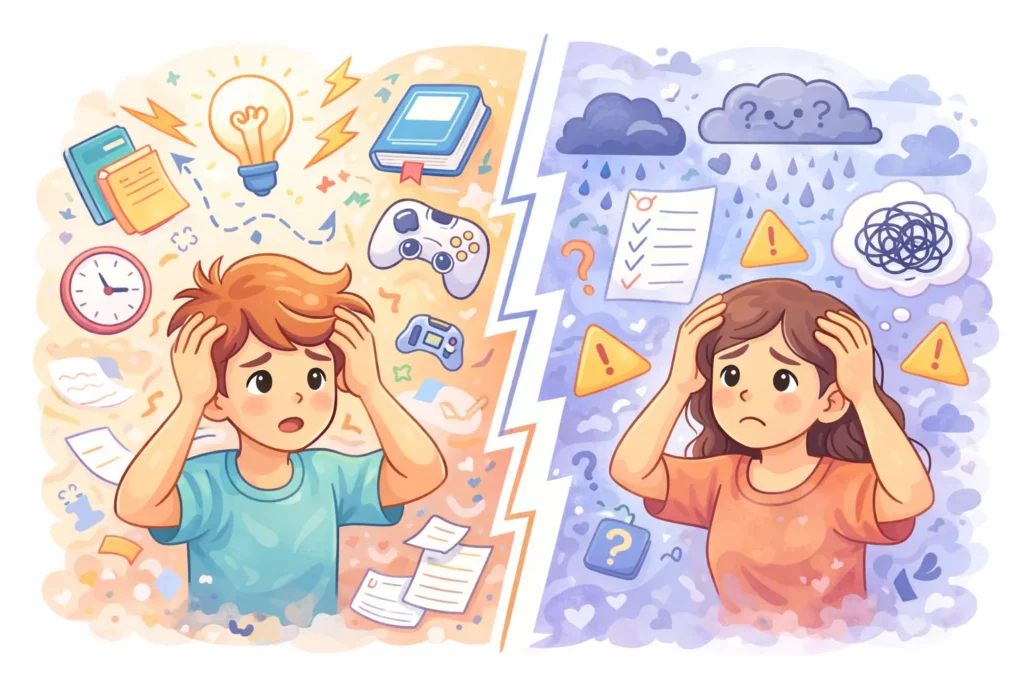

Most people think being emotionally available and being emotionally vulnerable are the same thing, but they’re not.
You can be “open,” “honest,” or even “expressive,” and still keep your authentic self locked away.
Understanding emotionally available vs emotionally vulnerable is what creates deeper relationships, healthier communication, and emotional safety both with yourself and others.
🧠 Take the Emotional Availability Test to understand your current patterns.Let’s break down the real, human explanation of emotionally available vs emotionally vulnerable, with examples that actually make sense.
What Does It Mean to Be Emotionally Available?
Before learning the difference, you need to understand the emotionally available meaning clearly.
👉 Being emotionally available means you can connect, stay present, respond with openness, and handle emotional conversations without shutting down.
Emotionally available people can:
- Sit with their own emotions
- Stay connected during conflict
- Listen deeply
- Show empathy
- Handle closeness without pulling away
- Communicate feelings honestly
Emotional availability is about presence, not performance.
You also don’t disappear. You just stay even when it’s uncomfortable.
What Does It Mean to Be Emotionally Vulnerable?
Now, let’s define the second half: emotional vulnerability definition.
👉 Being emotionally vulnerable means you allow yourself to be seen for your fears, insecurities, needs, desires, and imperfections.
Vulnerability looks like:
- Saying “I’m scared you’ll leave.
- Admitting “I need more closeness.
- Expressing hurt instead of pretending you’re fine, letting someone know you care, sharing hopes, fears, and insecurities, taking emotional risks
Vulnerability is exposure. It is the courage to be real.
Emotionally Available vs Emotionally Vulnerable: What’s the Real Difference?
Let’s break this down in the most straightforward way:
👉 Emotionally available = I can connect.
👉 Emotionally vulnerable = I can be seen.
You can’t build deep relationships without both.
Here’s the fundamental distinction:
| Emotionally Available | Emotionally Vulnerable |
|---|---|
| Stays present in emotions | Shares deeper emotions |
| Listens and responds openly | Reveals insecurities and fears |
| Can connect to others | Lets others see their inner world |
| Handles emotional conversations | Takes emotional risks |
| Safe, consistent, grounded | Honest, transparent, raw |
Availability = connection.
Vulnerability = depth.
You need both for true emotional intimacy.
Can You Be Emotionally Available Without Being Vulnerable? (Yes.)
Absolutely, many people think they’re “open” because they:
- listen well
- show empathy
- Give great advice
- stay present
- handle conflict calmly
…but they never reveal anything real about themselves.
This person:
- asks about your feelings
- but avoids sharing their own
- supports your vulnerability
- but hides their insecurities
- feels safe but not known
This is emotional availability without vulnerability.
It creates relationships where you feel supported, but not deeply connected.

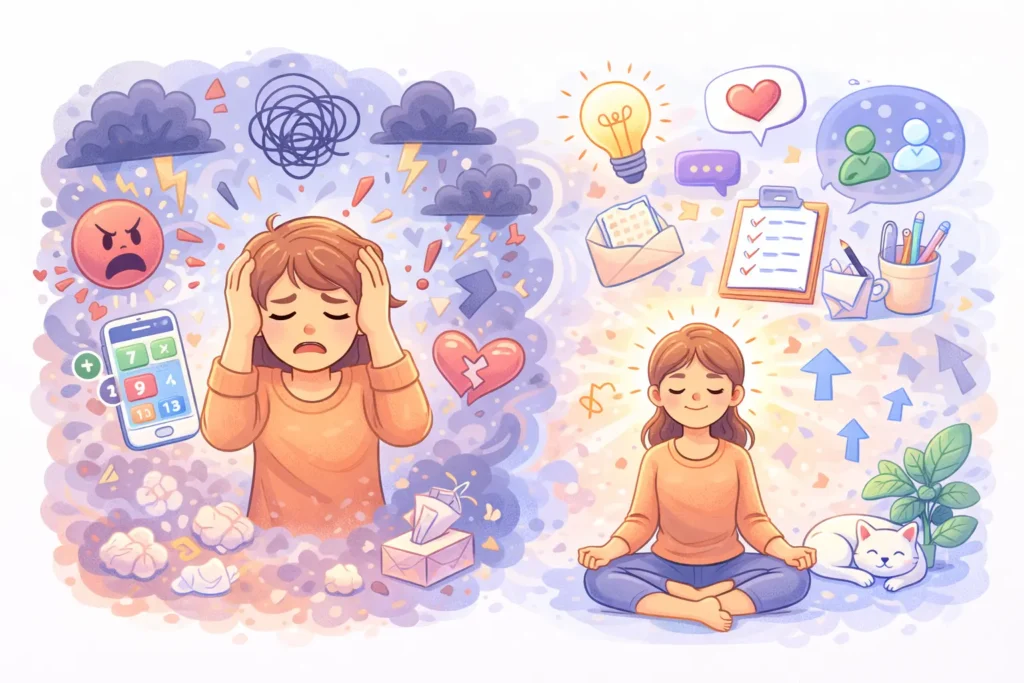
Can You Be Vulnerable But Still Emotionally Unavailable? (Also, Yes.)
This is the part most people don’t realise. Some people overshare personal details but avoid real emotional closeness.
Examples:
- trauma dumping without building a connection
- revealing intense emotions quickly but not sustaining intimacy
- crying or venting but avoiding commitment
- being “raw” but not responsive or consistent
This is a vulnerability without availability.
It often shows up as:
- intense beginnings
- emotional chaos
- disappearing after vulnerable moments
- overwhelming emotional expression with zero actual intimacy
This is why vulnerability alone doesn’t equal emotional health.
🧠 SoulFact: Emotional availability plays a major role in long-term relationship stability, often more than surface-level compatibility.
Why Emotional Availability Matters in Relationships
You can’t build trust without availability.
Emotional availability in relationships matters because people offer stability, presence, and emotional oxygen. That is why each of them must:
- Show up reliably
- Validate and support
- Communicate clearly
- Stay calm during emotional moments
- Make others feel safe
This is the foundation of emotional intimacy skills.
Why Emotional Vulnerability Matters in Relationships
Availability creates safety. Vulnerability creates closeness.
You need vulnerability to:
- let people know the real you
- deepen the relationship
- build trust
- form emotional intimacy
- create mutual understanding
Vulnerability is the bridge between two hearts. It helps you grow emotionally and navigate both high and low emotional moments with honesty.
How Emotional Unavailability Shows Up (Even in “Open” People)
Many people who think they’re emotionally healthy are actually avoiding depth.
Common emotionally unavailable signs include:
- pulling back after closeness
- using logic to avoid emotions
- saying “I’m fine” when you’re not
- shutting down during arguments
- feeling uncomfortable when others get emotional
- choosing partners who aren’t available
- needing space immediately after vulnerability
- avoiding conversations about feelings
- fearing emotional dependence
This is emotional distance disguised as independence.
🧠 SoulFact: Studies show people often confuse disclosure (sharing) with genuine vulnerability (risk + emotional honesty).
How to Build Both Emotional Availability AND Vulnerability?
Here’s how to be emotionally available while also being safely vulnerable:
❤️ 1. Name your feelings
You can’t express what you can’t identify.
❤️ 2. Stay in emotional conversations without escaping
Sit with the discomfort.
❤️ 3. Share small vulnerabilities slowly
You don’t have to go deep immediately.
❤️ 4. Let someone know what you need
Closeness requires clarity.
❤️ 5. Build emotional safety in your nervous system
Grounding, breathwork, and slowing down help you stay present.
❤️ 6. Practice honesty without oversharing
Vulnerability = intention, not intensity.
How SoulBot Helps You Practice Availability & Vulnerability?
SoulBot can help you:
- understand your emotional patterns
- learn how to name your feelings
- build vulnerability slowly
- reduce fear of intimacy
- create emotional safety
- Grow communication skills
- reflect without judgment
💬 Chat with SoulBot for daily vulnerability prompts and emotional presence exercises.🧠 Take the Emotional Availability Test to understand your current patterns.