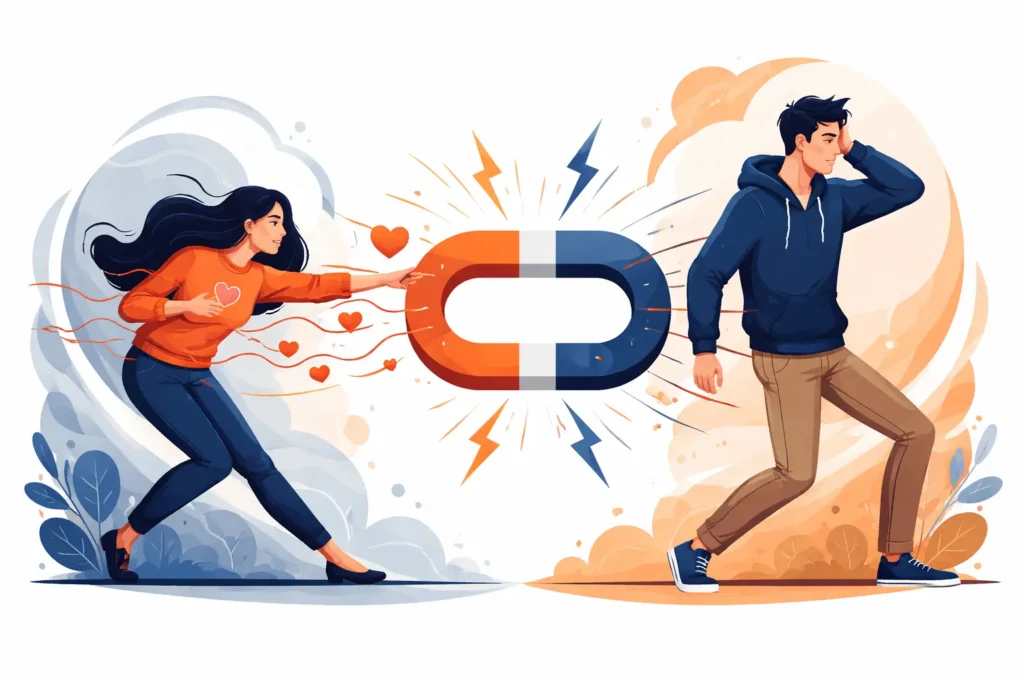
Many people search “Am I a narcissist?” not because they lack empathy, but because they’re afraid of hurting others or being “too much.
But here’s the truth: asking “Am I a narcissist?” already separates you from one. Because real narcissists rarely question themselves.
In today’s world of pop psychology and TikTok therapy, the word narcissist gets thrown around so loosely that self-awareness often turns into self-doubt. Let’s clear that confusion and understand what narcissism actually means and what it doesn’t.
💬Chat with SoulBot, your AI emotional coach, to help you understand, reflect, and grow without judgment.Why So Many People Ask “Am I a Narcissist?”
You might’ve asked this question because someone called you out for being “selfish” or “emotionally unavailable.” Or maybe you’ve recognised traits like emotional withdrawal, defensiveness, or a craving for validation.
The internet has blurred the line between toxic behaviour patterns and simple human imperfection. But not everyone who struggles with boundaries or validation is a narcissist. Sometimes, it’s trauma. Sometimes, it’s learned behaviour.
The fact that you’re reflecting on it means you have empathy, something true narcissists lack.
💡SoulFact: According to the American Psychiatric Association, Narcissistic Personality Disorder affects a small percentage of the population, far fewer than social media suggests.
What Narcissism Actually Means (Not What TikTok Says)
Narcissism exists on a spectrum. Everyone has a few egocentric traits: confidence, ambition, pride, and that’s healthy. It becomes a problem when those traits distort empathy and relationships.
According to the American Psychological Association (APA), Narcissistic Personality Disorder (NPD) involves:
- A constant need for admiration
- A distorted sense of self-importance
- Lack of empathy
- Manipulative or exploitative behaviour
- Fragile self-esteem that depends on external validation
But having moments of pride or defensiveness doesn’t make you egocentric; it makes you human. The difference lies in intent and self-awareness.
🧠 Take the emotional availability test to understand how empathy, self-awareness, and regulation show up in your relationships.Common Signs of Narcissism (And What They Really Mean)
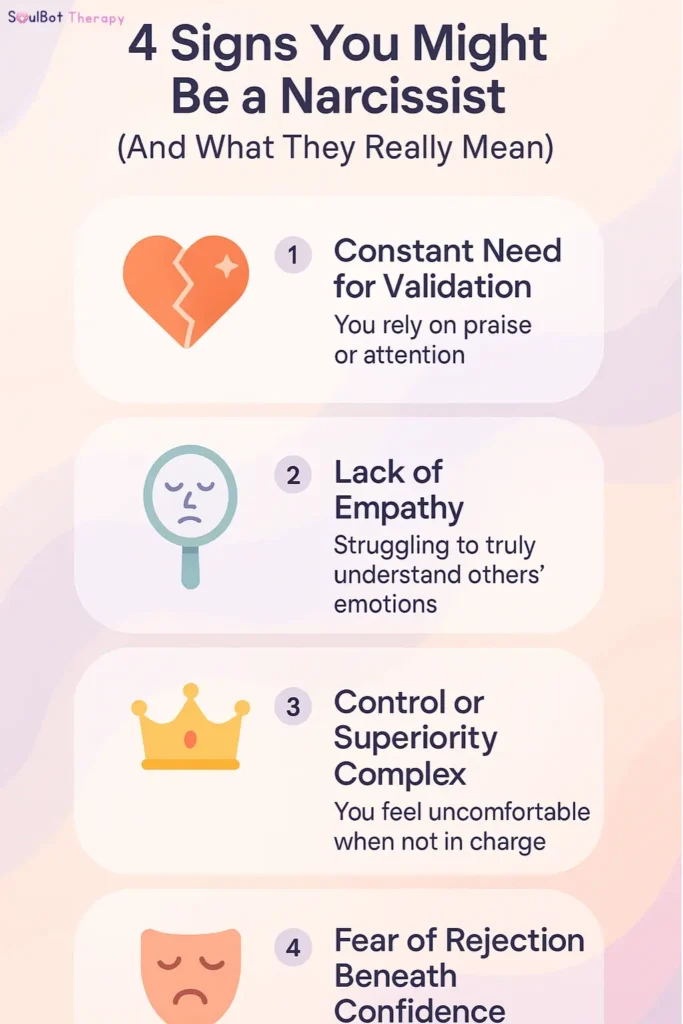
Here are some signs of narcissism, but with the nuance most social media forgets:
| Behavior | What It Could Mean | What It Doesn’t Necessarily Mean |
|---|---|---|
| You like recognition | You value appreciation and validation | You’re obsessed with control |
| You get defensive easily | You’re emotionally guarded from past hurt | You can’t take accountability |
| You overanalyse others’ opinions | You fear rejection or failure | You think you’re superior |
| You crave praise | You’re insecure and seeking reassurance | You manipulate for attention |
Sometimes what looks like ego is actually emotional insecurity. Self-protection isn’t the same as narcissism, but ignoring empathy and accountability is where it can start.
Healthy vs Unhealthy Self-Esteem: Where’s the Line?
This is where many people get lost.
Healthy self-esteem says, “I’m valuable, and so are others.”
Unhealthy self-esteem says, “I’m more valuable than others.”
Narcissism thrives in the latter. But self-worth and self-centeredness are not the same thing. Building self-awareness and empathy helps balance the two:
- You recognise when your actions hurt someone
- You apologise without collapsing into shame
- You take feedback without self-destruction
That’s emotional maturity, not narcissism. Narcissism is defined not by having needs but by consistently ignoring others’ needs.
Narcissistic Traits in Relationships
Relationships often reveal egotistical tendencies most clearly. Importantly, these behaviours must be persistent, one-sided, and unchanging to indicate narcissism, not occasional mistakes followed by repair. A person with narcissistic traits in relationships includes:
- Love-bombing: extreme affection at the start, fading once control is established
- Gaslighting: twisting facts to avoid accountability
- Projection: blaming others for traits you can’t face in yourself
- Emotional withdrawal: punishing someone with silence or avoidance
But again, occasional defensiveness or distance doesn’t define a narcissist. True narcissism is a chronic, repeated pattern that damages others’ emotional safety without remorse.
Can Narcissism Change? The Role of Self-Awareness
Here’s the hopeful truth: awareness is the antidote to arrogance. People with selfish traits, not full-blown NPD, can absolutely grow through therapy, reflection, and emotional regulation.
The hardest part? Taking accountability without self-hatred.
When you learn to regulate emotions, you stop reacting to threats and start responding to the truth. That’s where healing begins.
🧠 SoulFact: According to Psychology Today, empathy and reflection are two traits that rule out true narcissism. People who ask, learn, and repair rarely fit the disorder.
How SoulBot Helps You Understand Your Emotional Patterns?
SoulBot helps you explore your emotions, triggers, and empathy levels without judgment.
With daily reflections and guided journaling, you can track how your emotions impact your relationships and start building balance between confidence and compassion.
💬 Chat with SoulBot when you catch yourself overthinking or reacting defensively.🧠 Or take the ADHD test to measure how your brain processes self-awareness.