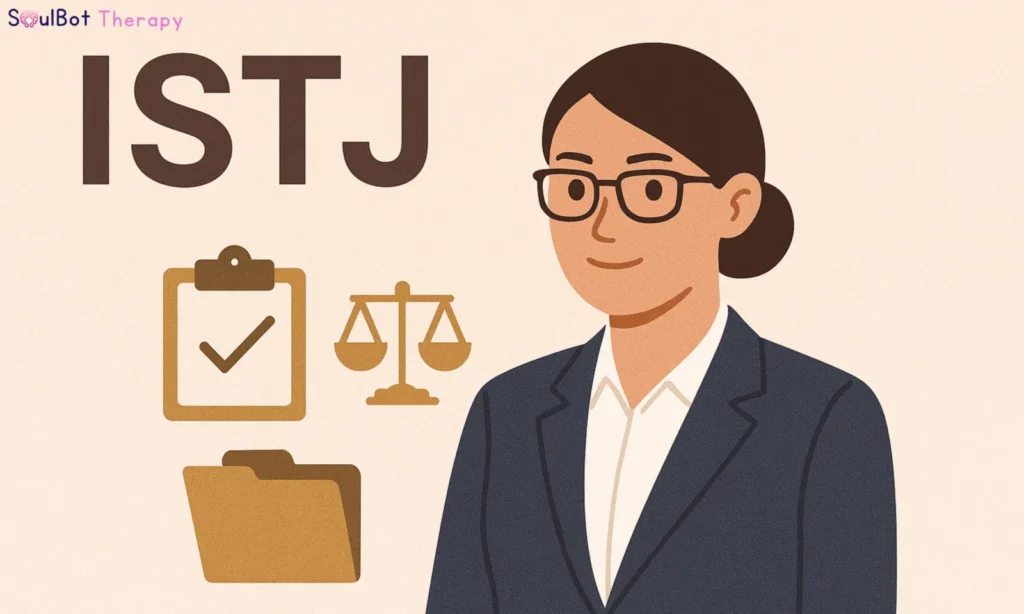
If you’ve just learned you’re an ISTJ, you might be wondering what those four letters actually say about who you are.
ISTJs are often described as “logical,” “practical,” or “disciplined,” but the truth is deeper than that.
The real ISTJ meaning isn’t just about being organised; it’s about carrying a sense of responsibility that feels woven into your personality.
🧠 Take the MBTI Test to know what your personlaity tell aboue you.You bring stability into a world that constantly changes. Let’s break down what your ISTJ personality type actually reveals about you.
ISTJ Meaning: What It Really Means
ISTJ stands for:
- I — Introverted
- S — Sensing
- T — Thinking
- J — Judging
👉 The ISTJ meaning is simple:
You’re grounded, dependable, observant, logical, and driven by duty.
ISTJs are the backbone personality, the people who show up when it matters, stay consistent, and ensure things are done the right way.
You don’t just value structure; you thrive in it.
Core ISTJ Traits
Here’s what defines an ISTJ personality type:
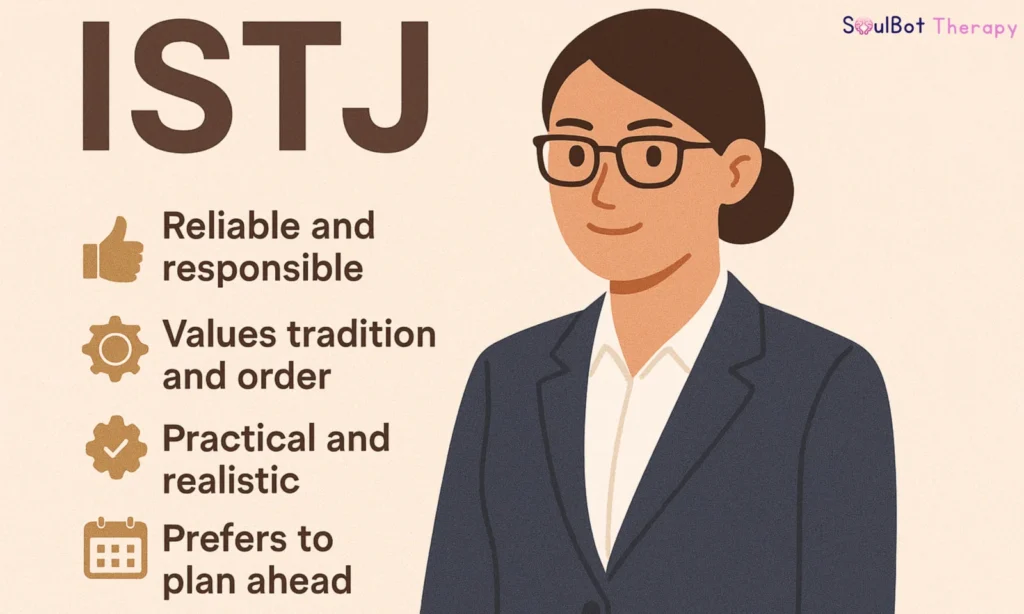
- Practical and realistic
- Detail-oriented and thorough
- Reliable and consistent
- Calm under pressure
- Honest and direct
- Loyal to commitments
- High sense of personal responsibility
- Structured decision-making
- Deeply observant
ISTJs are often the people others trust most because you’re stable, steady, and predictable in the best way.
ISTJ Strengths and Weaknesses
Every personality has both, and ISTJs shine through their consistency.
⭐ ISTJ Strengths
- Strong work ethic
- Unmatched reliability
- Excellent memory
- Logical and level-headed
- Truth-focused communication
- Good at planning and execution
- Loyal, steady, and protective
⚠️ ISTJ Weaknesses
- Difficulty expressing emotions
- Resistant to sudden change
- Can appear rigid or inflexible
- Trouble with abstract ideas
- May struggle with emotional communication
- Tendency to overwork
ISTJs aren’t cold; you simply express care through action, not emotional layers.
🧠 SoulFact: The ISTJ's second most-used cognitive function, Extraverted Thinking (Te), is their primary tool for dealing with the outside world.
ISTJ-A vs ISTJ-T: What’s the Difference?
There are two types of ISTJs:
ISTJ-A (Assertive)
- Confident
- Steady under stress
- Independent
- Less self-critical
ISTJ-T (Turbulent)
- More sensitive to feedback
- Perfectionistic
- Thoughtful and self-reflective
- Emotionally responsive beneath the surface
Both share the same core personality; they simply handle pressure differently.
Is ISTJ a Common Personality Type?
Yes. ISTJ is one of the most common personality types, making up around 10–12% of the population.
This explains why ISTJs are often found in:
- leadership roles
- structured workplaces
- security-focused environments
- systems that require consistency
Your type is the world’s stabiliser.
ISTJ Compatibility & Relationships
ISTJs build relationships slowly but deeply.
You value:
- loyalty
- consistency
- long-term commitment
- honesty
- emotional stability
Best compatibility often includes:
- ESFJ — balanced emotional connection
- ISFJ — shared values and structure
- ESTJ — aligned logic and goals
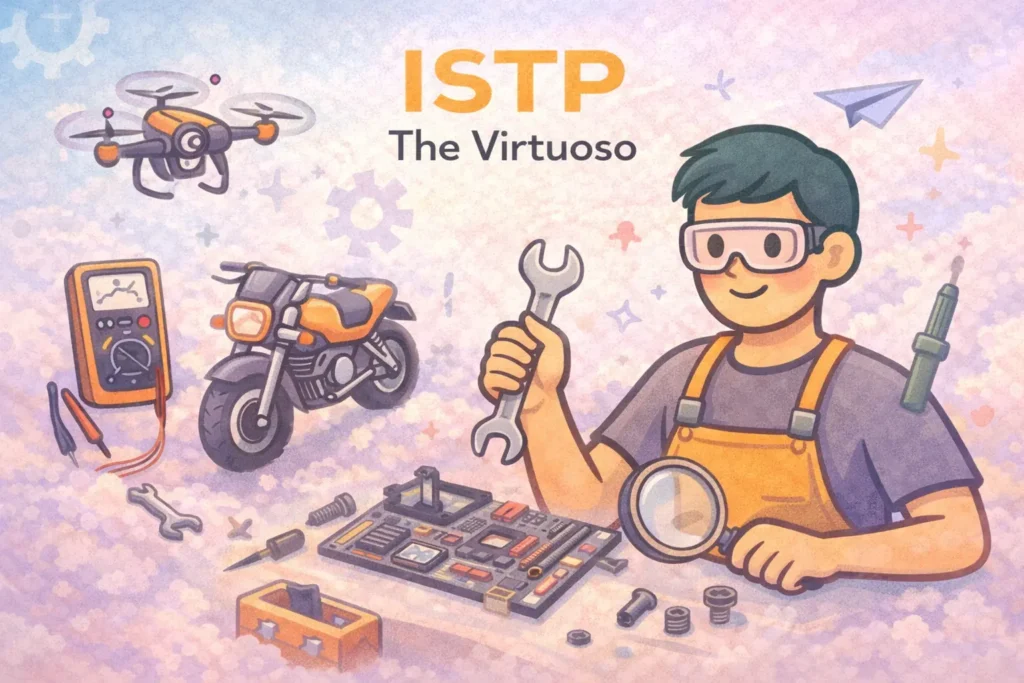
- ISTP — complementary independence
ISTJs aren’t expressive, but you love fiercely through action, reliability, and devotion.
Famous ISTJ Characters & Celebrities
Here are well-known ISTJs (popular keyword):
Fictional ISTJs
- Brienne of Tarth (Game of Thrones)
- Hermione Granger (argued but commonly typed)
- Captain America (MCU)
Real-Life ISTJs
- Angela Merkel
- Warren Buffet
- George Washington
- Natalie Portman
All are known for responsibility, logic, and grounded leadership.
🧠 SoulFact: When ISTJs make decisions or organize tasks in the external world, they look for the "best" or "correct" way
ISTJ Communication & Work Style
Communication
ISTJs are:
- direct
- honest
- logical
- calm
- reserved emotionally
You speak with clarity and purpose, no fluff.
Work Style
You work best when:
- Tasks are clear
- expectations are realistic
- systems are stable
- goals are structured
You excel in roles requiring precision, reliability, and accountability.
How ISTJs Can Grow (Without Changing Who They Are)
Growth for ISTJs looks like:
- learning emotional expression
- embracing small changes
- delegating responsibility
- stepping out of perfectionism
- practising openness in relationships
- allowing flexibility in plans
You don’t need to change your personality, just soften the edges that become too rigid.
How SoulBot Supports ISTJ Growth?
SoulBot helps ISTJs by offering:
- emotional awareness prompts
- burnout prevention guidance
- communication tips
- stress management techniques
- introspective journaling
💬 Chat with SoulBot for personalized insights based on your ISTJ traits.🧠 Take the MBTI Test to explore your cognitive patterns deeper.