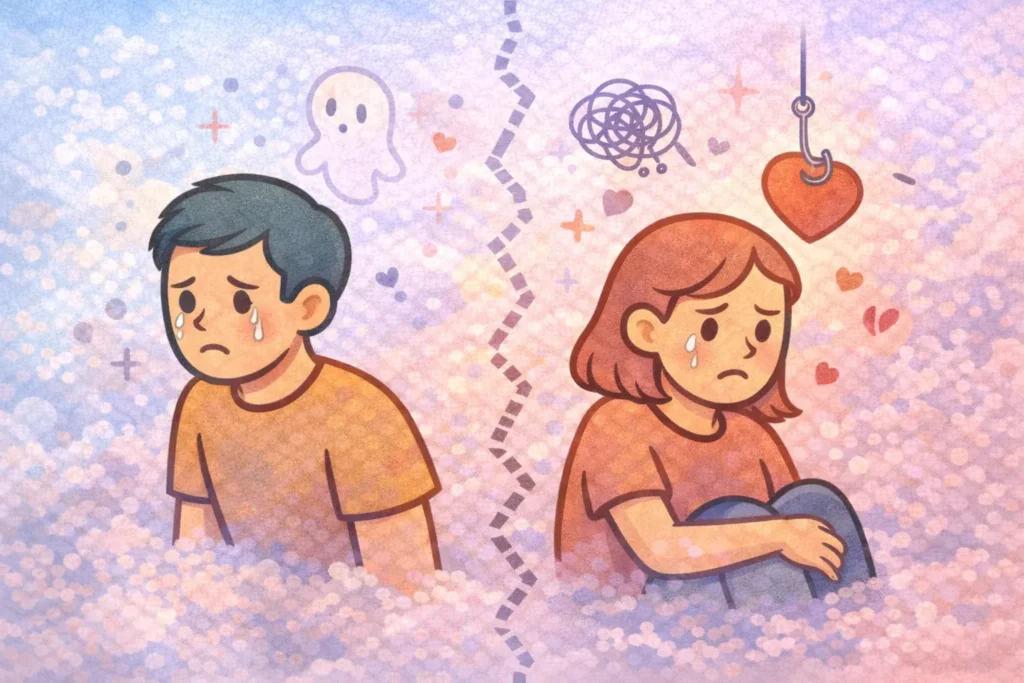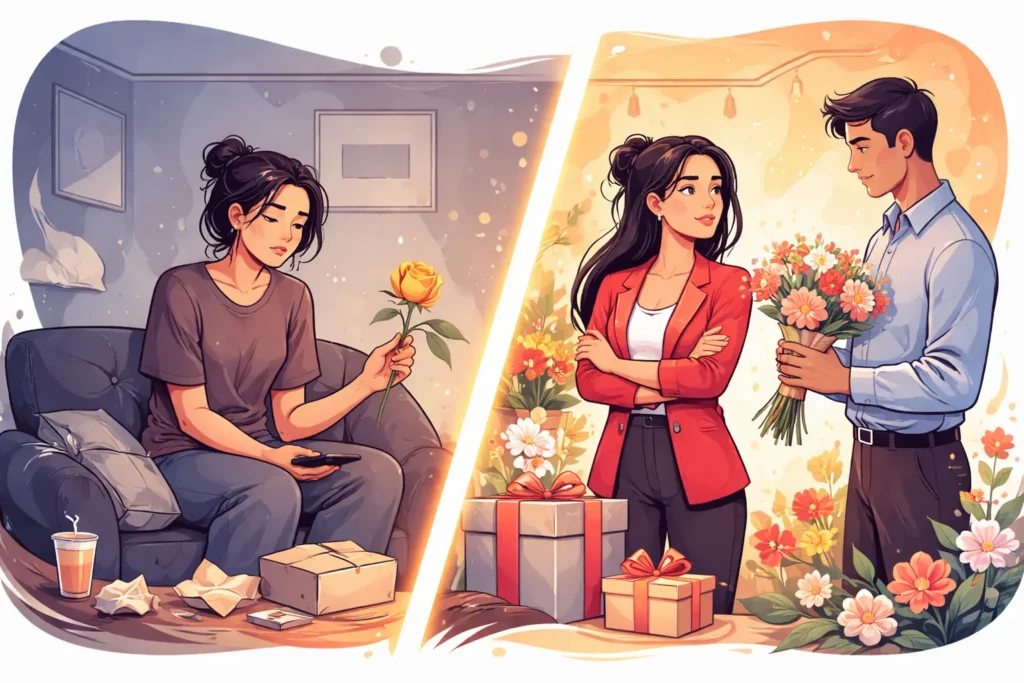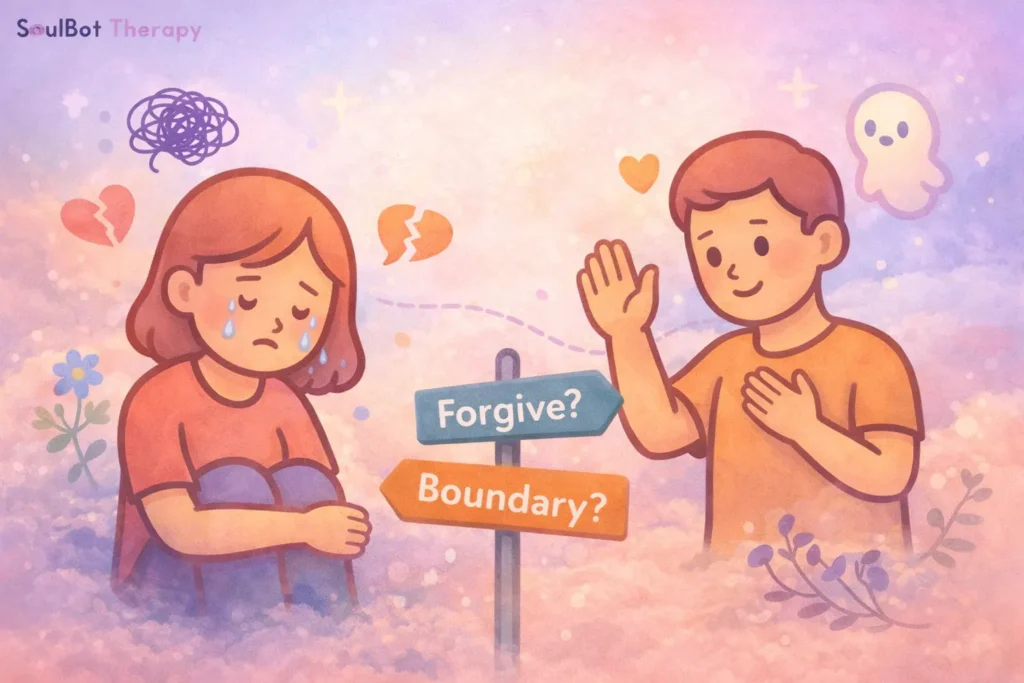

Feeling unwanted in a relationship doesn’t always look dramatic. Sometimes it’s quiet.
- The unanswered messages.
- The lack of effort.
- The feeling that you’re emotionally alone even when you’re not physically alone.
When you feel unwanted, it can slowly erode your self-worth. You may start questioning your value, replaying conversations, or wondering if you’re “asking for too much.”
If you’ve found yourself thinking, “I feel unwanted in my relationship,” this guide will help you understand why that feeling shows up, how to recognise the signs, and what you can do to protect your emotional well-being.
Signs that you are feeling unwanted in a relationship
Feeling unwanted in a relationship often shows up through patterns of emotional distance, neglect, and lack of reassurance. Before finding solutions, it’s crucial to recognise the warning signs. You might be feeling unwanted and unloved if:
- Your partner is emotionally distant – They seem uninterested in your feelings or daily life.
- Physical affection has decreased – Hugs, kisses, and intimate moments are rare.
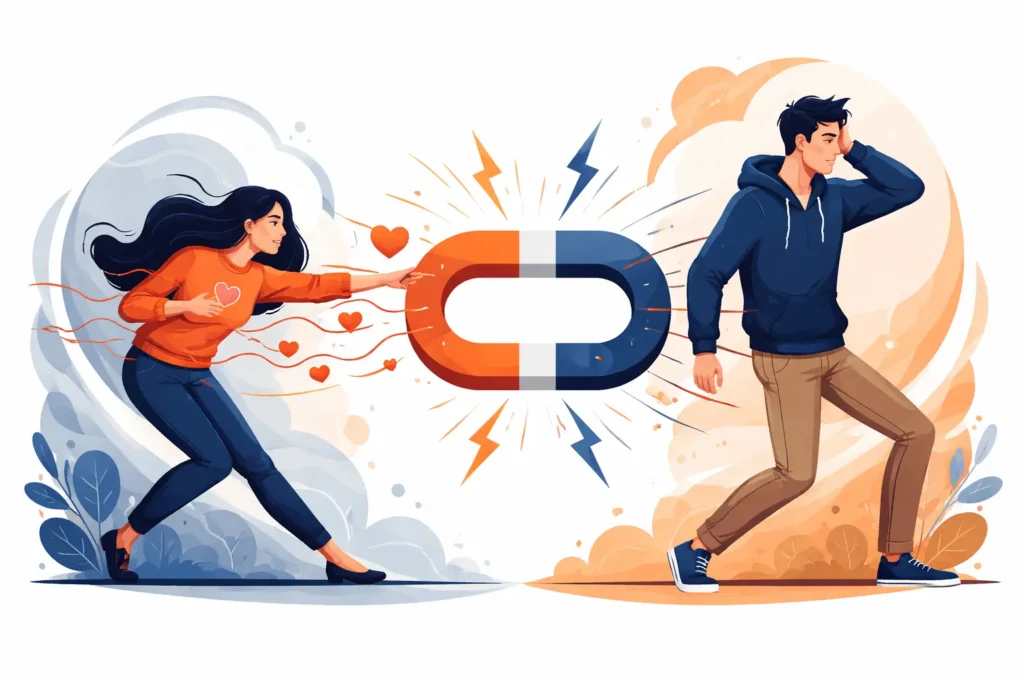
- Communication feels one-sided – You initiate most conversations while your partner remains disengaged.
- Your partner prioritises everything else – Work, friends, or hobbies seem more important than your relationship.
- You feel like a burden – Expressing your feelings makes you feel guilty or ignored.
Beyond these behaviours, feeling unwanted often shows up internally as constant self-doubt, emotional loneliness, and the fear that you care more than your partner does.
💡 SoulFact: Gottman Institute Studies show that lack of communication and emotional disconnect are among the leading causes of relationship dissatisfaction.
Why Do You Feel Unwanted in a Relationship?
Several factors contribute to feeling unwanted, and each situation is unique. Here are some common reasons:
✔ Emotional Neglect: Your partner may unintentionally ignore your emotional needs.
✔ Lack of Affection: Over time, physical and verbal affection may decline, making you feel unloved.
✔ Busy Lifestyle: Work stress and responsibilities can lead to less emotional investment.
✔ Unresolved Conflicts: Past arguments, if left unresolved, can create emotional distance.
✔ Personal insecurities (often triggered by emotional distance): Sometimes, personal insecurities can amplify feelings of neglect.
Importantly, feeling unwanted is not a personal failure; it’s usually a response to unmet emotional needs.
🔗 Research highlights that emotional neglect deeply impacts self-worth and mental health. Source: Psychology Today
🧠 Not sure if this is a temporary disconnect or something deeper?
Take the Emotional Availability Test to understand whether your relationship lacks emotional presence or simply needs better communication.
Feeling Unwanted vs Being Emotionally Neglected
Feeling unwanted doesn’t always mean your partner intends to hurt you. But when emotional needs are repeatedly ignored, it can turn into emotional neglect.
Emotional neglect isn’t about abuse or cruelty it’s about absence. Absence of reassurance. Absence of effort. Absence of emotional presence.
Understanding this difference helps you decide whether the relationship needs communication, repair, or deeper reevaluation.
How to Stop Feeling Alone and Unwanted?
If you often think, “I feel unwanted in my relationship”, it’s time to take action. Here’s what you can do:
1. Communicate Openly with Your Partner
One of the best ways to address feeling unwanted is by expressing feelings in a relationship honestly.
🔹 Use “I” Statements: Instead of saying, “You never care about me,” try “I feel disconnected and want to spend more quality time together.”
🔹 Ask Open-Ended Questions: Encourage meaningful conversations by asking, “What’s been on your mind lately?”
🔹Express Your Needs Clearly: Let your partner know what makes you feel valued and appreciated.
2. Prioritise Self-Love & Confidence
Sometimes, not feeling wanted stems from personal insecurities. Here’s how to boost your self-worth:
🔹 Practice Self-Care: Engage in activities that bring you joy and relaxation.
🔹 Challenge Negative Thoughts: Replace “I’m not good enough” with “I deserve love and appreciation.”
🔹 Set Healthy Boundaries: Ensure your emotional needs are met without compromising your self-respect.
3. Rekindle the Emotional Connection
Strengthening the bond with your partner can help ease feelings of being unwanted:
🔹 Plan Quality Time Together: Whether it’s a dinner date or a simple walk, spending time together strengthens relationships.
🔹 Show Affection: Small gestures like compliments, holding hands, or leaving sweet notes can make a big difference.
🔹 Understand Love Languages: Learning your partner’s love language can improve intimacy. Read about the 5 love languages here.
4. Seek Professional Help if Needed
If feelings of being unwanted persist, couples therapy can help bridge emotional gaps.
🔹 Understanding relationship patterns is crucial, and a therapist can help identify behaviours that create emotional distance.
🔹 To foster stronger connections, they offer strategies that improve communication and provide emotional support.
🔹 Most importantly, seeking help is a sign of strength, not weakness!
💡 SoulFact: Studies show that couples therapy improves relationship satisfaction by up to 75%. Source: American Psychological Association

When Should You Reevaluate the Relationship?
While efforts to reconnect are valuable, it’s also essential to recognise when a relationship may not be working.
✔ If your needs continue to be ignored despite open communication.
✔ If emotional neglect is causing long-term distress and self-doubt.
✔ If your partner repeatedly dismisses your feelings without making an effort to improve.
In such cases, prioritising your emotional well-being and considering healthier options is crucial.
You deserve to feel loved, valued, and appreciated.
Final Thoughts
Feeling unwanted in a relationship is painful, but it’s not permanent. Communication, self-love, and emotional reconnection are key to overcoming these feelings. Whether through personal reflection, improving connection, or seeking professional help, you have the power to change the situation.
🧠 Love feels confusing sometimes that doesn’t mean you’re broken.
Take the Love Language Test to discover how you connect, express care, and need love in relationships.
👉 Take the Love Language Test
📌 If you need additional support, SoulBot is here to help guide you through relationship challenges with personalized insights.