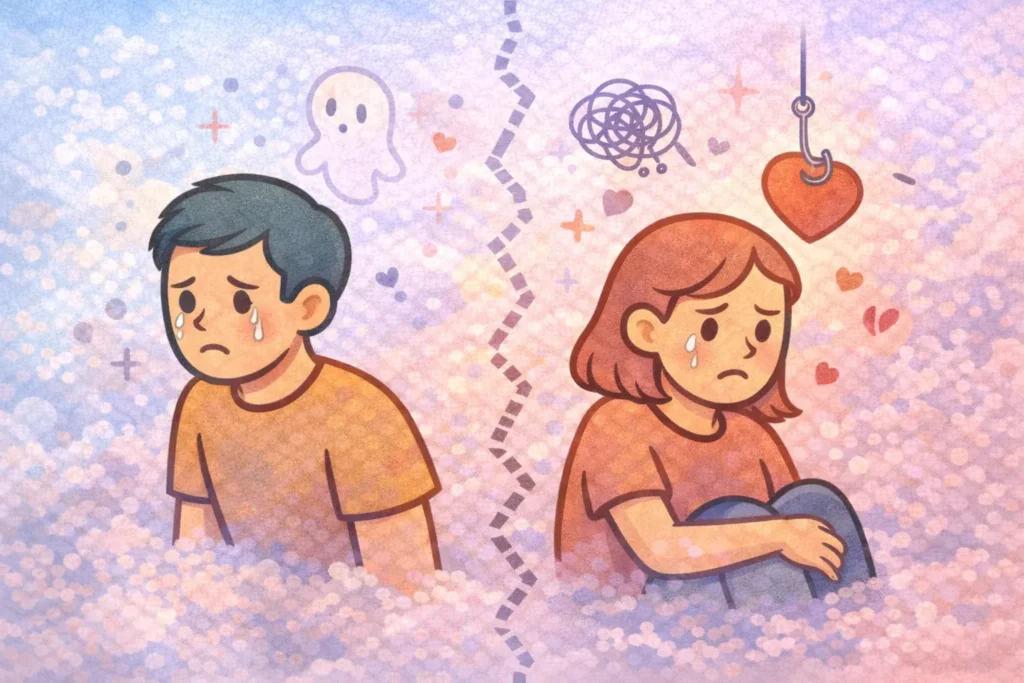
You weren’t officially together. There was no label. No anniversary and no clear ending.
So why does it hurt like a breakup, sometimes even worse?
When you understand the situationship meaning, you realise that emotional attachment can still form even without official commitment. And when that connection ends without clarity, the brain struggles to process the loss.
🧠 Take the Emotional Availability Test to understand how emotional readiness shapes relationship patterns.Many people experience deep emotional pain after an undefined relationship. And when they try to explain it to friends, the response is often confusing:
“But you two weren’t really dating.”
That’s the problem.
What Is a Situationship?
A situationship is a romantic or emotional connection that exists without clear commitment or defined expectations.
Understanding the situationship meaning is simple:
It’s a relationship that behaves like one but never fully becomes one.
Common characteristics include:
- emotional intimacy without labels
- spending time together regularly
- mixed signals about the future
- unclear boundaries or expectations
The key difference between a situationship vs relationship is clarity. In a relationship, both people know where they stand. In a situationship, uncertainty becomes part of the dynamic.
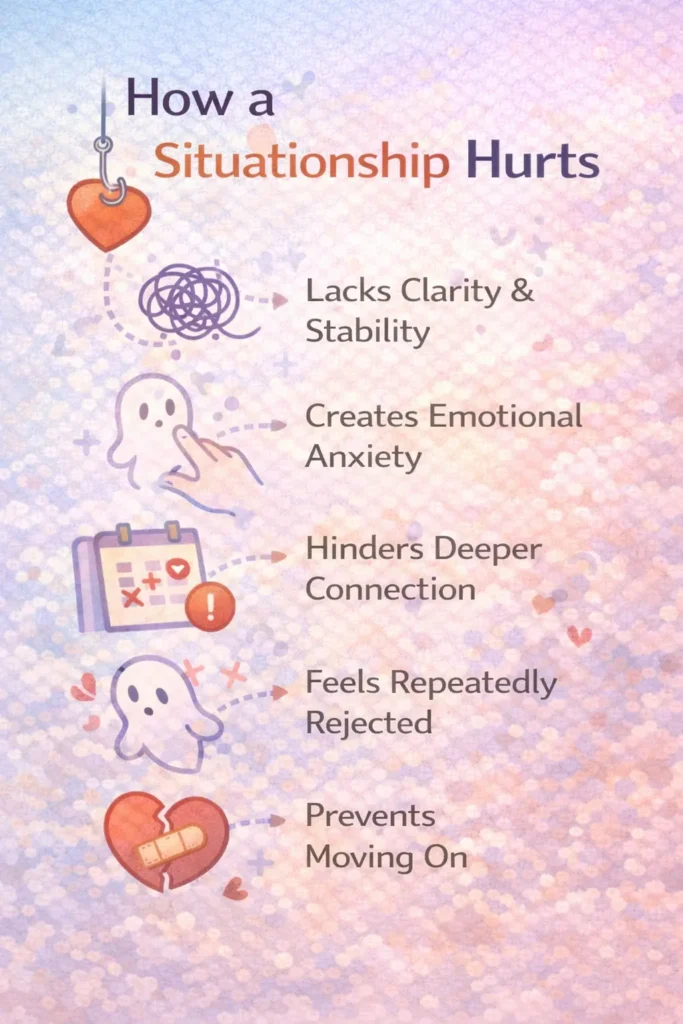
🧘♀️SoulFact: Psychological studies show that ambiguous relationships create more emotional anxiety than clearly defined ones because the brain struggles with unresolved uncertainty.
Why Situationships Hurt More Than Breakups?
Many people assume that breakups hurt more because they involve deeper commitment. But emotionally, a situationship can be harder to process.
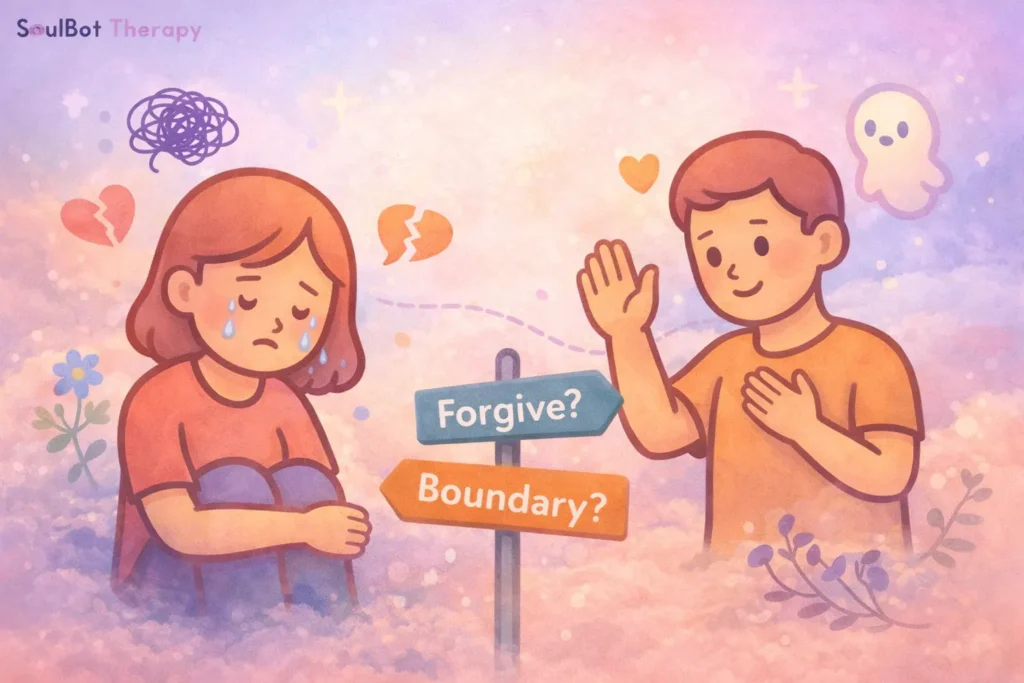
One major reason why situationships hurt is the absence of closure.
When a traditional relationship ends, there is at least an acknowledgement that something ended. With situationships, the connection often fades slowly or disappears without explanation.
This creates emotional questions like:
- Was it real?
- Did I imagine the connection?
- Why did it suddenly change?
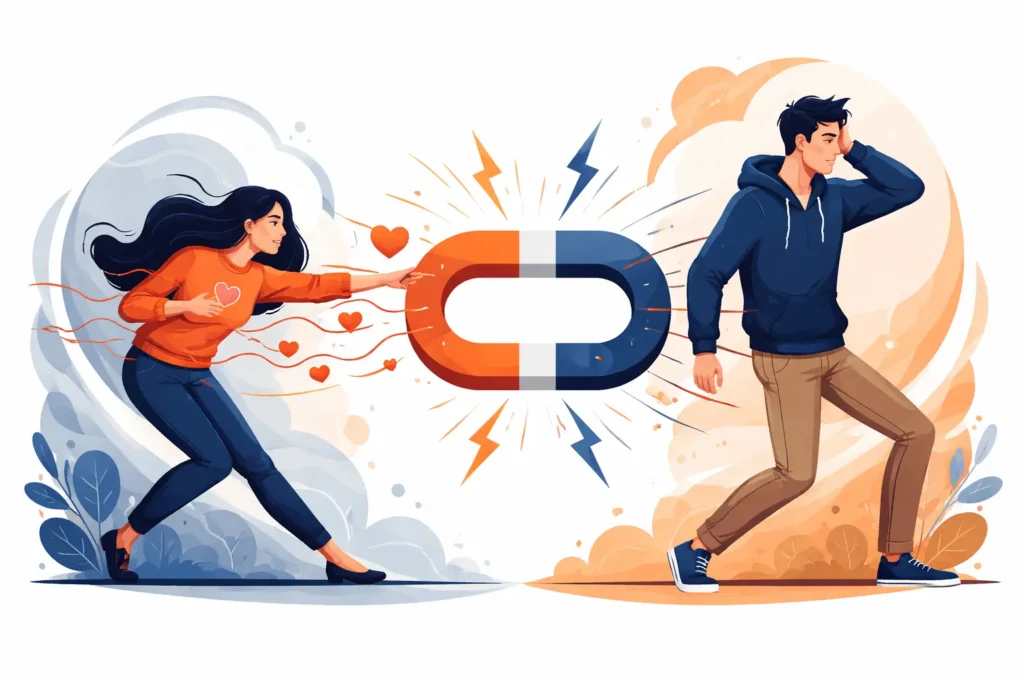
Without clear closure, the brain keeps searching for answers. That’s why the emotional weight of a situationship breakup can feel confusing and unresolved. Some situationships follow a push–pull emotional pattern known as the anxious–avoidant dynamic.
Signs You Were in a Situationship
Sometimes people don’t realise they were in a situationship until it ends.
Some common situation signs include:
- Avoiding relationship labels
- Inconsistent communication patterns
- Emotional closeness without commitment
- Discussions about the future are being avoided
- Effort that fluctuates depending on convenience
People stuck in situationships often stay because they are unsure whether they are asking for too much or settling for too little. These patterns often create emotional investment without emotional security. Over time, the uncertainty becomes exhausting.
💬 Talk to Soululu if you're struggling to understand why a situationship still affects you emotionally.Situationship vs Relationship: What’s the Difference?
Understanding the difference between a situationship vs relationship can clarify why the experience feels so confusing.
Situationship
- undefined expectations
- inconsistent effort
- emotional ambiguity
- future rarely discussed
Relationship
- clear commitment
- consistent communication
- emotional reliability
- shared expectations about the future
The difference isn’t intensity. It’s stability. Situationships often feel intense precisely because they lack emotional grounding.
Why Emotional Attachment Still Happens?
Even without commitment, emotional bonds can form quickly.
This happens because of emotional attachment in situationships. When people share time, vulnerability, and physical closeness, the brain releases bonding hormones like dopamine and oxytocin.
These chemicals strengthen emotional connections, regardless of labels. So even if the relationship was undefined, the attachment can still be real.
That’s why losing a situationship can feel like losing something meaningful even if the relationship never had a formal structure.
🧘♀️SoulFact: According to Harvard Health, emotional bonding develops through repeated social and emotional interactions, regardless of formal commitment structures.
How to Heal After a Situationship?
Healing from a situationship breakup starts with acknowledging that your experience was real.
Some helpful steps include:
1. Stop minimising your feelings
Your emotions are valid even if the relationship was undefined.
2. Accept the lack of closure
Sometimes the healthiest step is accepting that not every connection will provide clear answers.
3. Rebuild emotional boundaries
Clarity becomes easier when you recognise the patterns you want to avoid in future relationships.
4. Focus on emotional safety moving forward
Healthy relationships create stability rather than constant uncertainty.
Healing doesn’t require blaming the other person. It requires understanding your emotional needs.
Conclusion
Understanding the situationship meaning helps explain why these connections can feel so emotionally intense.
The pain isn’t dramatic. It’s human. When emotional closeness develops without a clear commitment, the brain experiences both connection and instability simultaneously. That’s why situationships often hurt more than breakups; they end without clarity.
But learning from the experience can help you recognise the difference between emotional intensity and emotional safety in future relationships.
💜 Chat with Soululu for reflection prompts and guidance to help you rebuild emotional clarity after confusing relationship dynamics.